A picnic often looks simple from a distance: bring food, spread a blanket, and sit outside. The work appears in smaller details. Someone cannot find a cup, the ground is wet, and nobody knows where the used containers should go. A little planning can make the outing easier without turning it into an event that requires a full day of preparation. This guide is for a modest family picnic in an appropriate local place. It focuses on organization, shared roles, and leaving comfortably. Food handling, allergies, access, weather, and individual needs still require adult judgment. A successful picnic can be short and ordinary, with familiar food and very little equipment.
Choose the place before planning the menu
Check that picnicking is permitted and that the location suits your group. Consider toilets, accessible routes, seating, shade, transport, and how far supplies must be carried. Review current local conditions and rules, including restrictions on fires or cooking equipment. A simple outing does not need outdoor cooking, and avoiding it may make the plan much easier. Identify a backup if the ground is unsuitable or the weather changes. Tell children where you intend to sit and what the boundaries will be. A destination near home can be a good first option because it allows a straightforward return if something important has been forgotten or someone needs to leave earlier than expected.
Pack for the actual group and length of outing
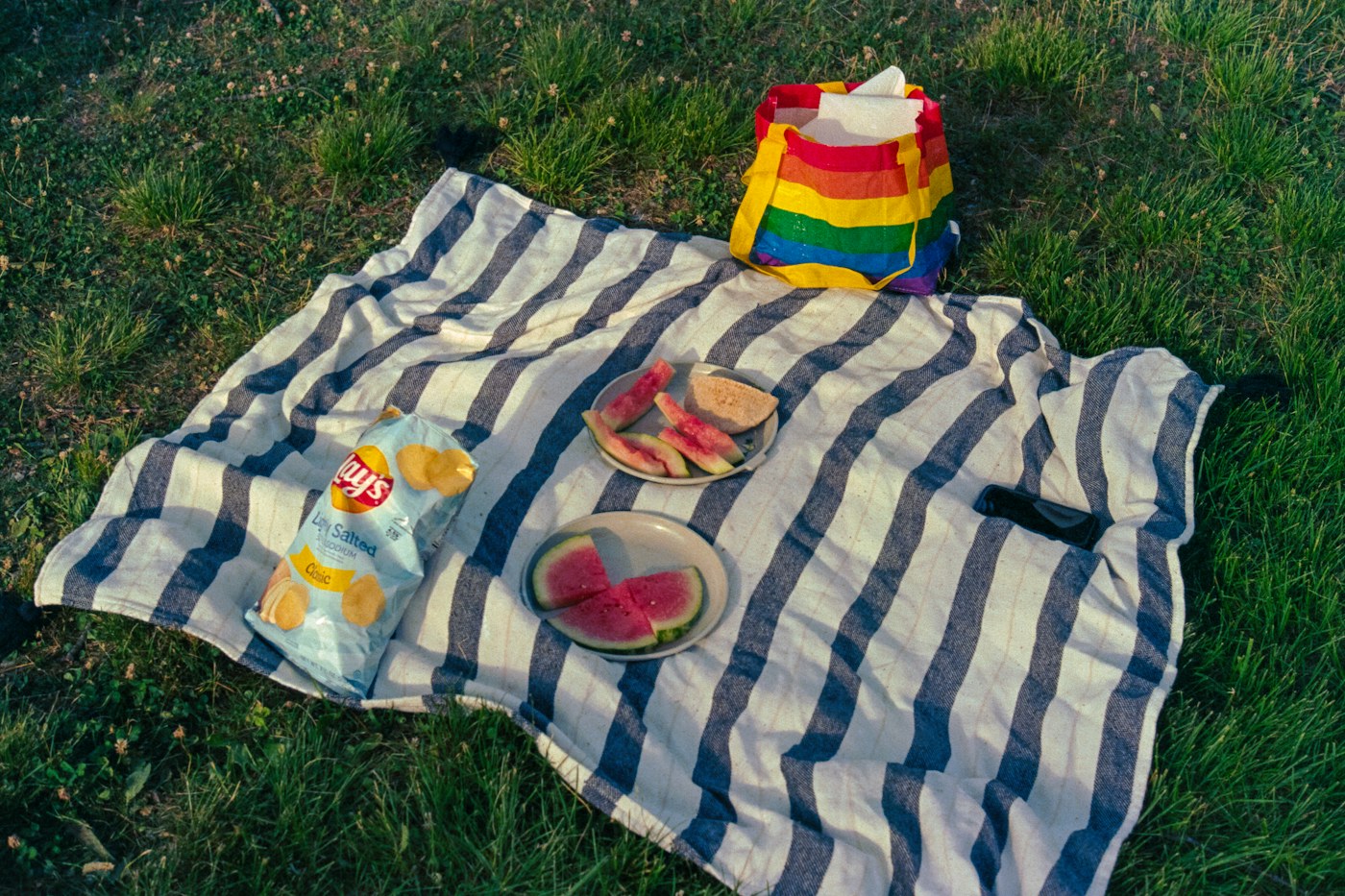
Begin with a short list based on how many people are coming and what you will do. Include food, suitable drinks, necessary serving items, hand-cleaning arrangements, and a way to carry waste and used containers home. Bring essential personal items and follow any relevant individualized guidance. Choose equipment that adults can carry safely. A blanket is useful only if the ground and the group make it appropriate; a picnic table or suitable seating may be better. Avoid adding several games merely because there might be time. One simple activity or the surroundings themselves may be enough. Every extra object becomes something to locate, carry, supervise, and pack again.
Keep the food plan familiar and practical
Choose food your group can manage comfortably in the setting. Consider allergies, choking risks, dietary needs, and how items will be stored and served safely. Follow current food-safety guidance appropriate to the conditions, especially for foods that need temperature control. Do not rely on appearance or smell alone to decide whether food is safe. An insulated container may be needed, and some foods are simply inconvenient for a particular outing. Avoid assuming that a picnic must include a large variety. A few familiar options can reduce waste and preparation. Adults should handle any necessary cutting or other tasks that require tools, and children should receive food in an age-appropriate form.
Organize the bag by the order of use
Place the items needed first where they can be reached without unpacking everything. A ground covering or cleaning supplies buried beneath food containers create unnecessary work. Keep items secure and separate where hygiene requires it. A small container for cups and utensils can prevent them from spreading through the bag. Include an obvious place for used items so they do not have to be balanced on the blanket or mixed with clean supplies. Labeling containers may help a group with similar-looking items, but elaborate systems are unnecessary. Pack once, then briefly imagine arriving at the site. If you would need to empty every bag to begin, simplify the arrangement before leaving.
Give children useful, bounded roles
A child can count suitable cups, choose between two blankets, or help check the packing list. Match the responsibility to their ability and the safety of the item. Adults should retain responsibility for essential supplies, food safety, and supervision. Avoid assigning a child an important item and then treating an omission as a lesson the whole family must endure. Shared preparation works best when the task is clear and the adult checks the result respectfully. At the site, a child might place napkins or choose where a book will stay. A useful role does not need to look impressive. It gives the child a practical way to contribute to the outing without managing the entire plan.
Set up a clear eating area
Choose an appropriate spot away from hazards and follow the site's rules. Keep routes clear for other visitors. Before opening food, establish where people will sit, where bags will go, and where waste will be collected. Clean hands using a suitable method and keep food protected as needed. Supervise children around nearby traffic, water, animals, and play equipment. The eating area should not become a base from which young children roam without adult attention. If the site is busier than expected, adjust the boundaries or choose another permitted spot. Comfort matters too: uneven ground, glare, wind, or noise can make a seemingly attractive place difficult for the actual group to use.
Leave time that does not need entertaining
After eating, allow a quiet stretch if the group wants it. A familiar book, a conversation, or simply noticing the surroundings can be enough. If children play, choose age-appropriate activities and maintain supervision. Avoid games that interfere with other visitors, damage plants, or encourage approaching wildlife. You do not need to complete the activity you packed if another safe interest appears. Nor does every picnic need to last until all supplies have been used. Let the mood and conditions inform the plan. A brief outing that ends while everyone is comfortable may be more enjoyable than stretching it because of the effort spent preparing.
Make the leaving signal understandable
Tell children what will happen before departure. A concrete sequence can help: finish the current activity, collect personal items, pack the eating area, then walk back together. Avoid announcing that it is time to leave while still expecting a long period of adult packing. Give children one manageable job and keep supervision clear while adults organize supplies. If a child is disappointed, acknowledge that feeling without repeatedly extending the plan. Check the ground carefully for small items and litter. Do not leave food scraps for animals or assume that biodegradable waste is appropriate to abandon. Follow site disposal rules and carry waste home when suitable facilities are unavailable.
Do a packing rehearsal at home
Before the first outing, place the packed bags beside a clear surface and imagine setting up. Can you reach the covering or cleaning items first? Is there somewhere for used containers? Does each person have what they need without opening several bags? Children can help count suitable serving items while an adult checks the essentials. Remove objects that have no clear purpose for this particular trip. A rehearsal should take only a few minutes; it is not another project to perfect. Its value is finding an awkward arrangement at home, where changing it is easy, rather than discovering the problem on damp ground with hungry people waiting.
Reset the supplies when you return
Unpack promptly, handle remaining food according to appropriate safety guidance, and clean reusable items. Let coverings dry fully before storing them when needed. Invite children to return their own suitable belongings while adults manage the rest. A brief review can identify one improvement: fewer containers, an easier route, or a more accessible sitting place. Keep a short packing list for another outing if it was useful, but do not preserve unnecessary complexity. The next picnic should become easier through experience. The aim is a family routine that can begin with modest preparation and end with the space cared for, the supplies ready to use again, and enough energy left for the rest of the day.
Have a correction or a question? Write to the Amenkingdj team.