
A Pretend Shop for Everyday Number Talk
Use a small pretend market to explore quantity, matching, and fair exchanges through play that follows a preschooler’s pace.
Read the story Learning journal
Age-appropriate learning activities, developmental milestones, and creative play ideas for toddlers and preschoolers.
17 stories · Page 1 of 2Use a small pretend market to explore quantity, matching, and fair exchanges through play that follows a preschooler’s pace.
Read the story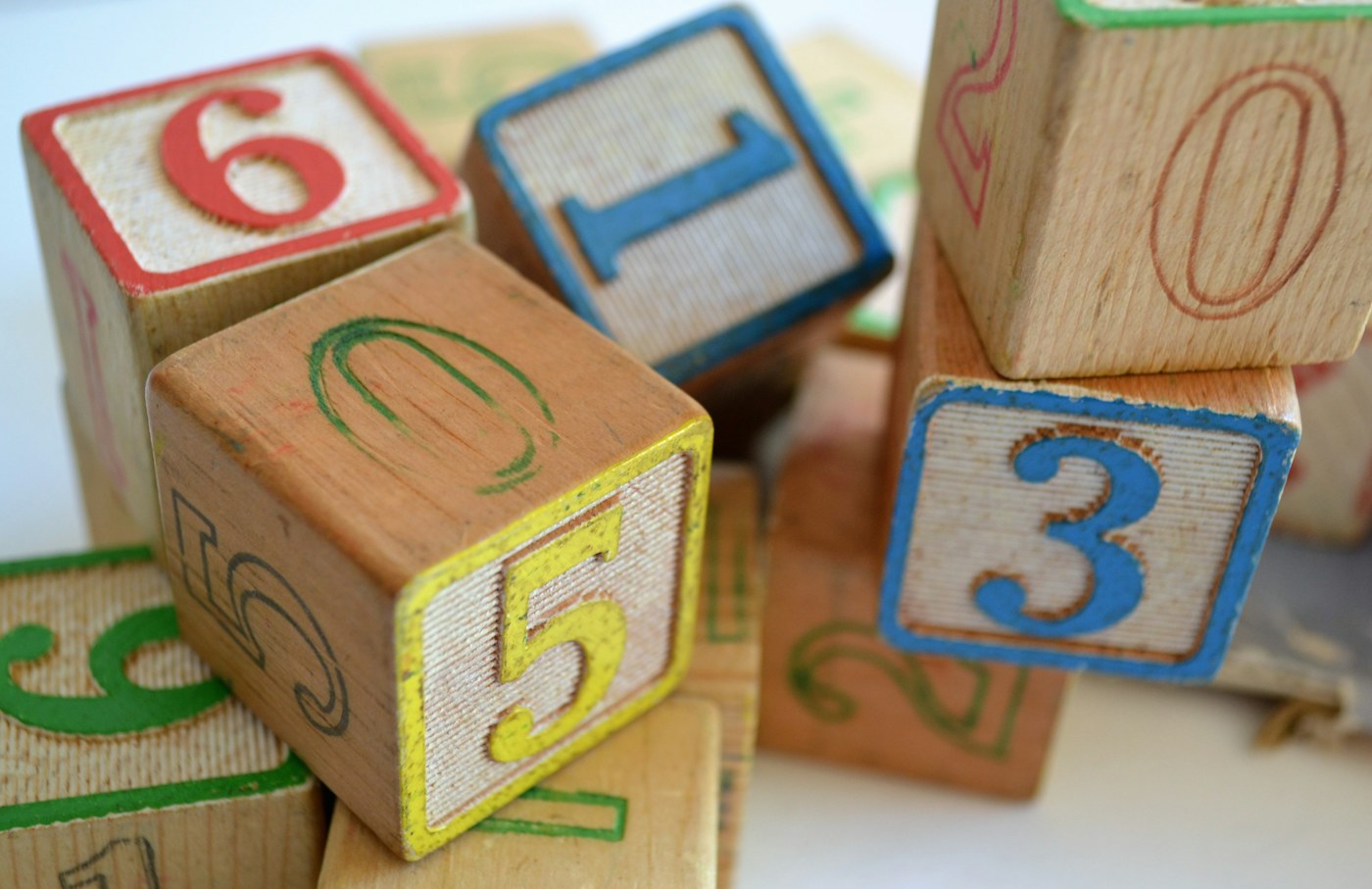
A practical guide to turning ordinary building play into shared storytelling without scripts, worksheets, or pressure to perform.
Read the story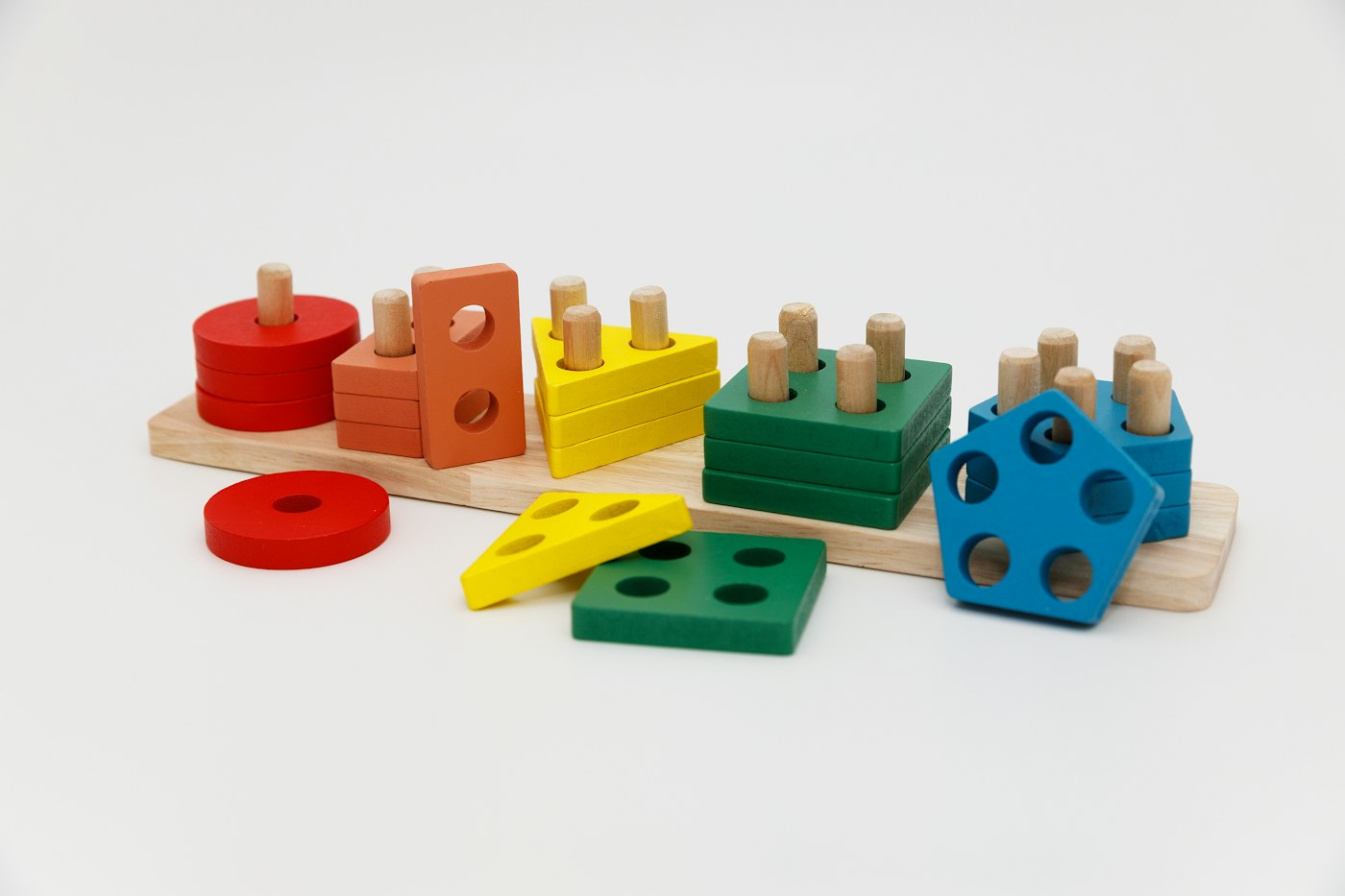
Turn a small collection of familiar objects into flexible sorting games, with practical ways to adjust the challenge and follow your child’s ideas.
Read the story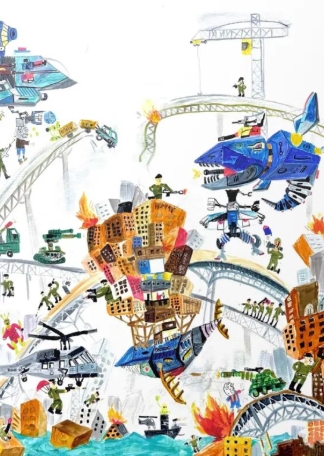
True art education is not about forcing children to draw realistically, but about nurturing their ability to discover, feel, and express beauty through daily observation, free creation, aesthetic exposure, and gentle companionship.
Read the story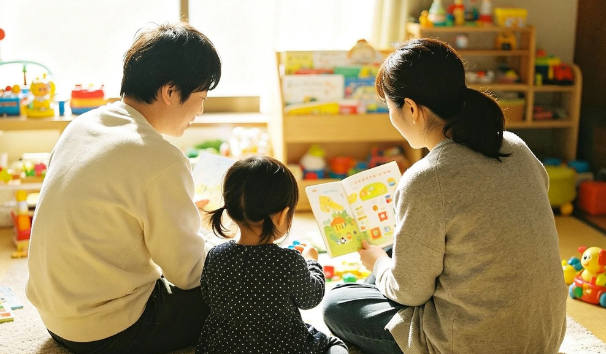
In parent-child reading, avoid quiz-style, single-answer, and age-inappropriate questions; ask according to the child's age by encouraging observation, prediction, and real-life connection; and listen more while judging less, so the child can read with deeper understanding.
Read the story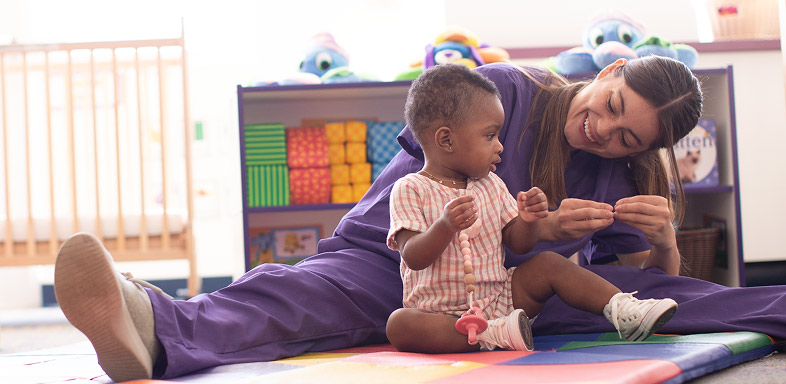
In the nineteenth century, Friedrich Fröbel, widely regarded as the father of preschool education, proposed using play as an important way to educate young children.
Read the story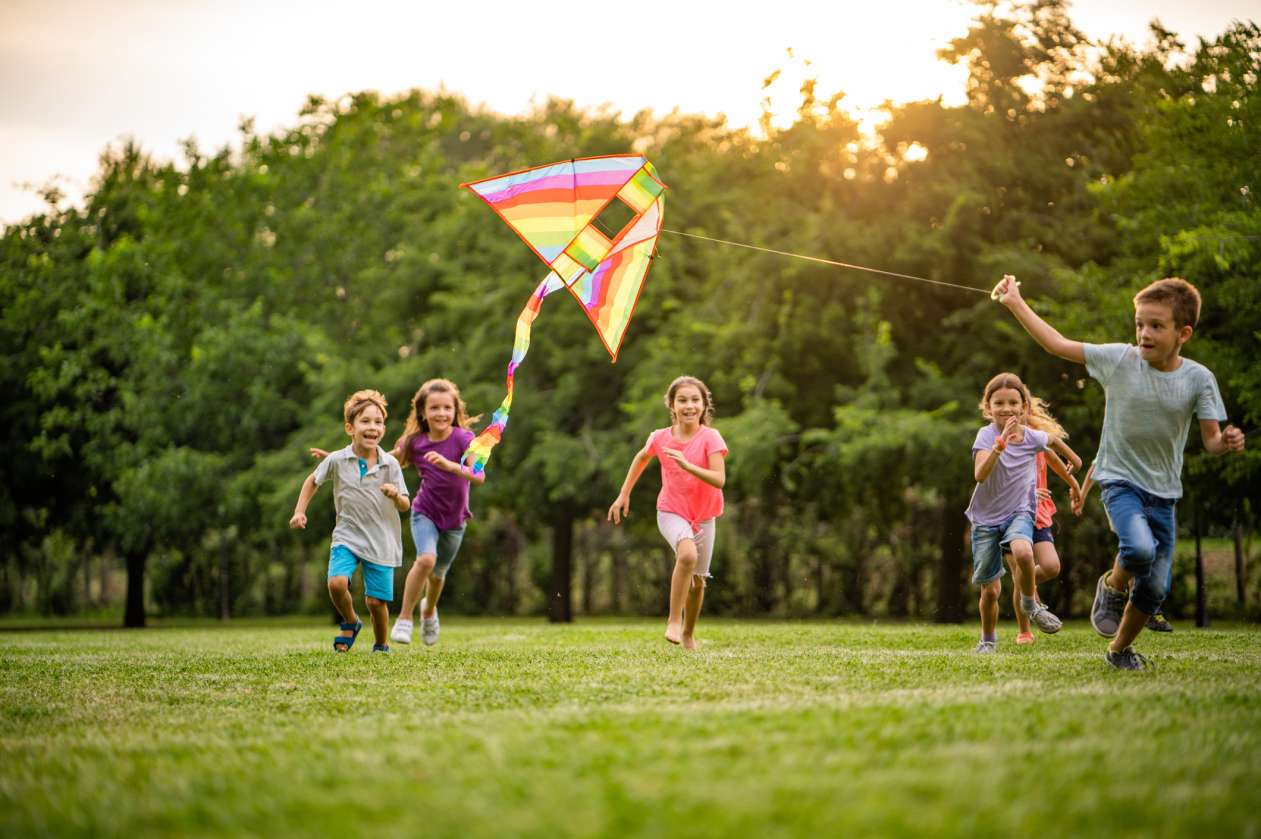
Children’s needs change quickly between the ages of three and five. This guide looks at common behaviors during the preschool years and offers practical ways for parents to support emotional expression, independence, social skills, rules, and responsibility as their child grows.
Read the story
Ages three to six are an important period for children to develop good habits. Healthy habits are essential to their physical and emotional well-being, their ability to gain knowledge, the development
Read the story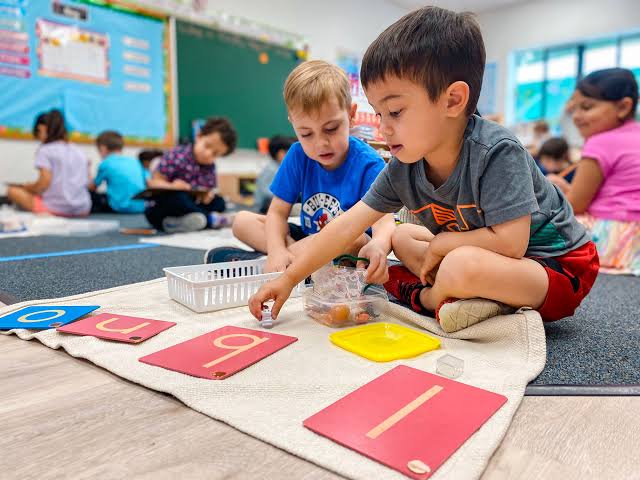
Curiosity is a natural human trait and one of the driving forces behind our desire to explore the unknown. Many scientists have had a strong sense of curiosity from an early age. When Isaac Newton saw
Read the story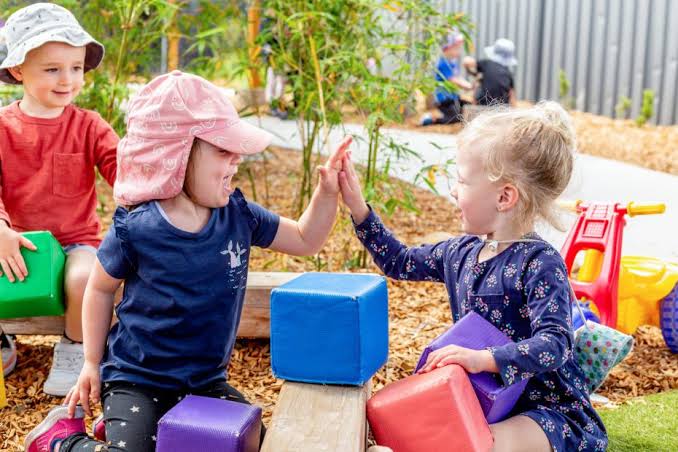
Does your child behave like this in everyday situations?
Read the story