
Sorting Games That Grow With a Preschooler
Turn a small collection of familiar objects into flexible sorting games, with practical ways to adjust the challenge and follow your child’s ideas.
Read the story Learning journal
THE AMENKINGDJ LEARNING JOURNAL
Ideas for the grown-ups helping children learn. Make space for questions, everyday practice and the pleasure of figuring things out.
Explore the latest
Choose a modest set of art materials, organize them around real use, and build a cleanup routine that leaves more time for making.
Read the full story ↗NEW PERSPECTIVES
Turn a small collection of familiar objects into flexible sorting games, with practical ways to adjust the challenge and follow your child’s ideas.
Read the story
Use pauses, observations, and genuine questions to enjoy books together while leaving room for a child’s own interpretation.
Read the story
Offer useful help with puzzles and everyday problems while leaving children enough ownership to try, pause, and choose their next step.
Read the story
Use a child’s real question to choose a varied, manageable set of library resources without turning reading into an oversized research project.
Read the story
Make a local walk easier to plan with a clear route, sensible turnaround point, and a small shared purpose that does not turn the outing into a test.
Read the story
Organize the first few minutes of homework around clear instructions, accessible materials, and an appropriate level of adult help.
Read the story
Keep a small outing manageable with a sensible destination, a compact packing plan, age-appropriate roles, and a clear way to leave the space ready for others.
Read the story
Use specific examples and a short set of questions to make a school conversation clearer, with a practical agreement to follow up afterward.
Read the story
True art education is not about forcing children to draw realistically, but about nurturing their ability to discover, feel, and express beauty through daily observation, free creation, aesthetic exposure, and gentle companionship.
Read the storyFIND YOUR NEXT GOOD READ

Use a small pretend market to explore quantity, matching, and fair exchanges through play that follows a preschooler’s pace.
Read the story
In parent-child reading, avoid quiz-style, single-answer, and age-inappropriate questions; ask according to the child's age by encouraging observation, prediction, and real-life connection; and listen more while judging less, so the child can read with deeper understanding.
Read the story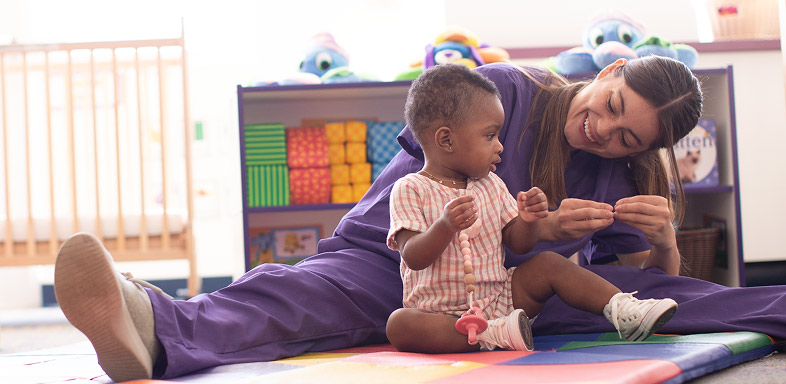
In the nineteenth century, Friedrich Fröbel, widely regarded as the father of preschool education, proposed using play as an important way to educate young children.
Read the story
Keep family planning brief and practical with one issue, clear turns, and a small agreement that can be tested during an ordinary week.
Read the story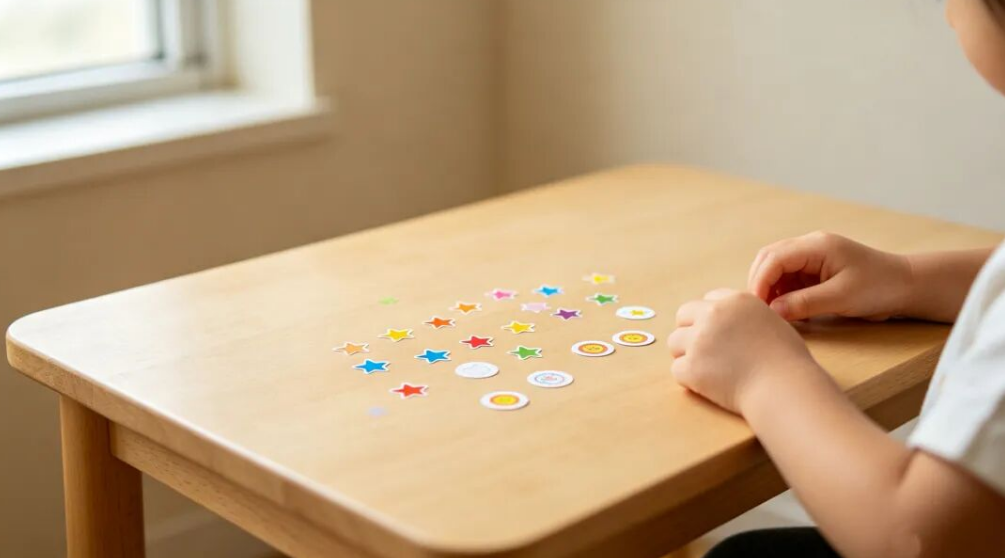
Sticker rewards may secure short-term cooperation from children but can weaken their intrinsic motivation, so families and schools should reduce material exchanges for everyday behavior and instead describe facts and affirm feelings to protect children’s self-driven willingness.
Read the story
A bedtime routine with a fixed order, fixed duration, and advance fulfillment of needs like water, toilet, and hugs can turn sleep from a nightly negotiation into a consistent routine that helps a child fall asleep automatically.
Read the story
Set up everyday drawing so children can explore materials, make choices, and talk about their work without pressure to produce a perfect picture.
Read the story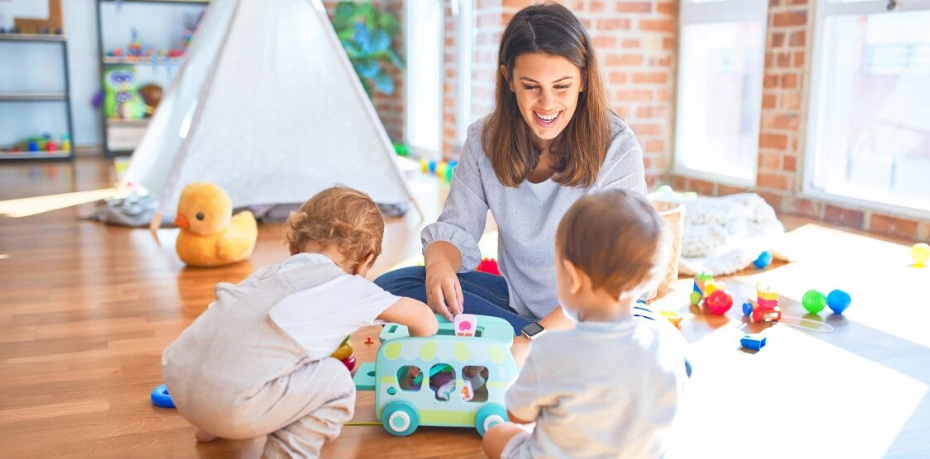
Understanding children's personality differences and raising them in ways that suit their nature allows every kind of growth to thrive.
Read the story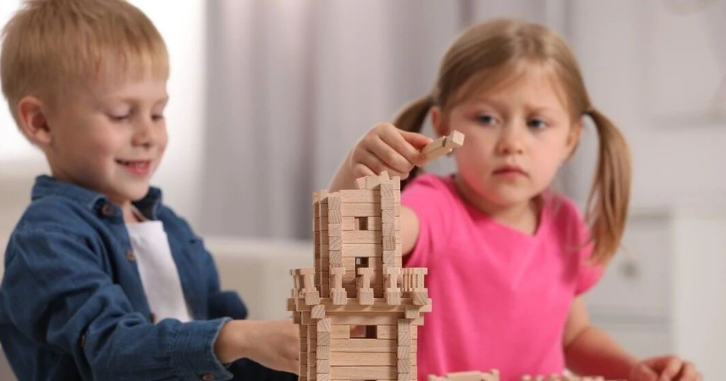
Children's executive function, composed of working memory, inhibitory control, and cognitive flexibility, can be strengthened through home-based training and environmental support to improve the self-management skills needed for learning, social interaction, and independent living.
Read the story
Help children notice everyday outdoor details with a small notebook, honest questions, and simple records that keep facts separate from guesses.
Read the story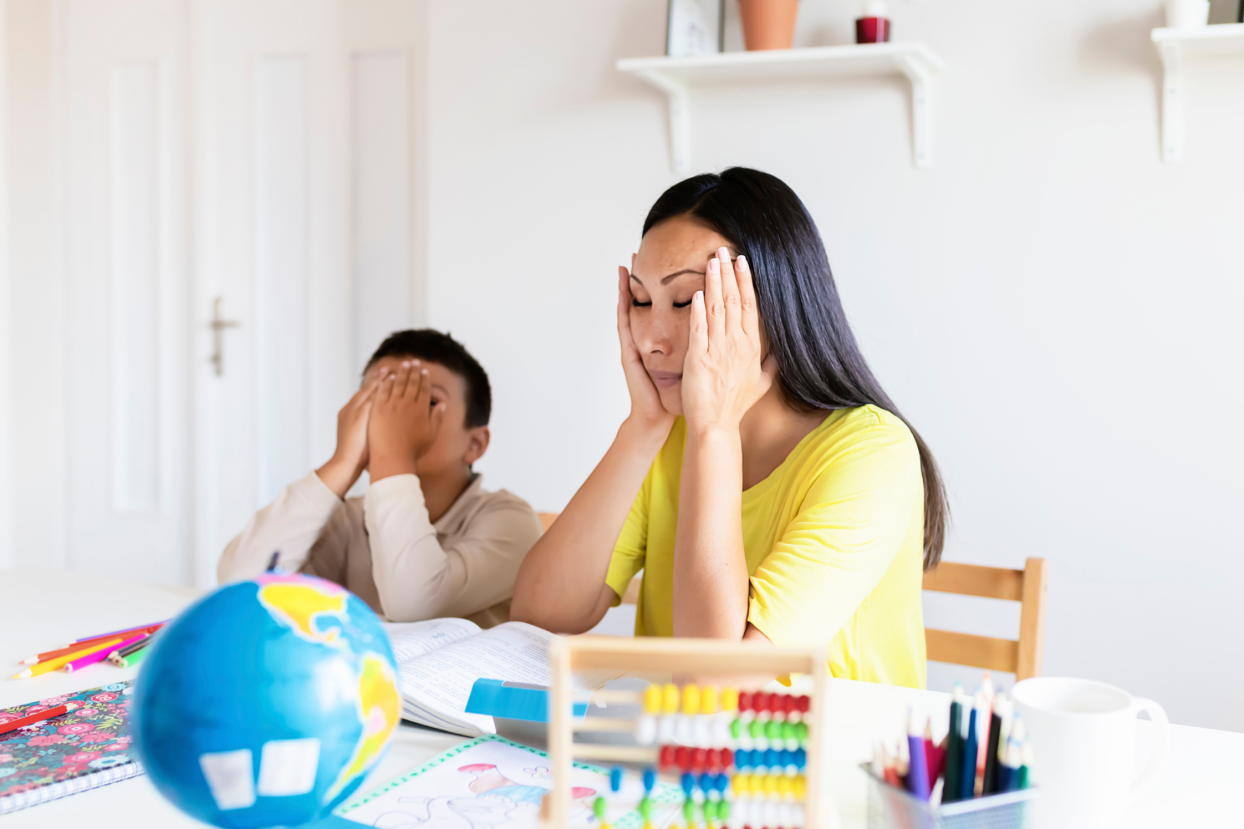
Every evening, countless families go through the same “homework battle.” Parents remind their children to start, and they write a few lines. Stop reminding them, and they immediately start daydreaming
Read the story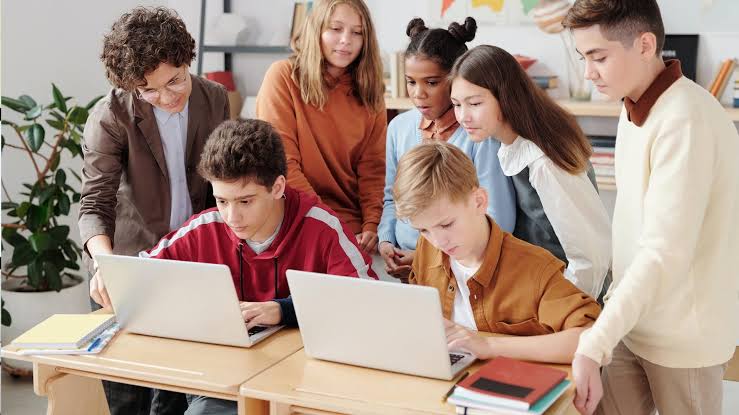
In today’s rapidly developing digital age, children have access to an enormous amount of learning resources. With so many educational materials available, helping children choose the right ones has be
Read the story
Plan an indoor family day around usable spaces, flexible activity choices, and realistic breaks without filling every hour with entertainment.
Read the story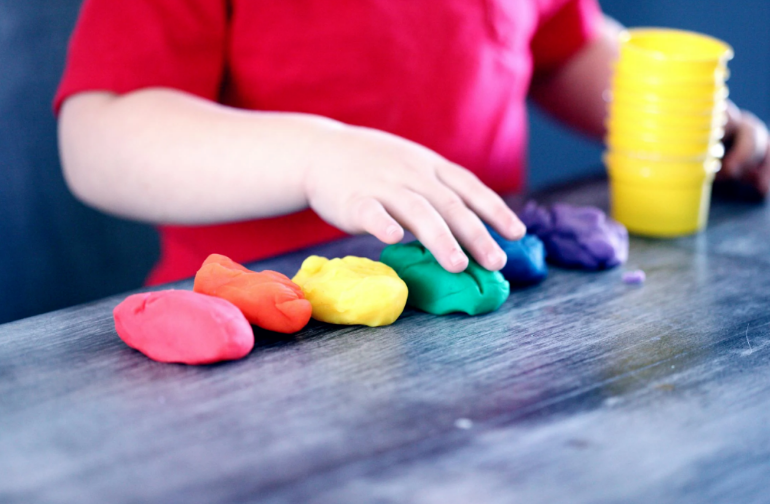
By choosing suitable storage tools, setting fixed tidying areas, making workable plans, offering moderate encouragement, developing sorting awareness, and regularly clearing and updating items, parents can gradually help children build tidying habits.
Read the story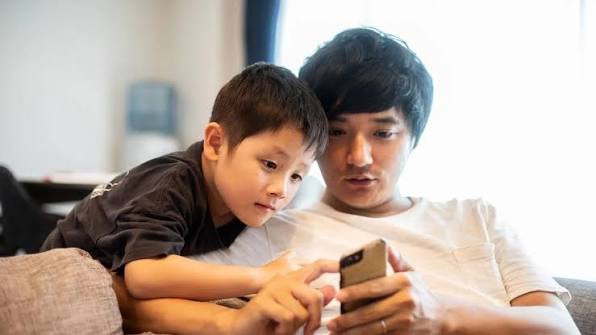
Every parent worries about their child’s safety, but teaching children how to protect themselves is the real foundation of keeping them safe. Education experts recommend the following 10 questions as
Read the story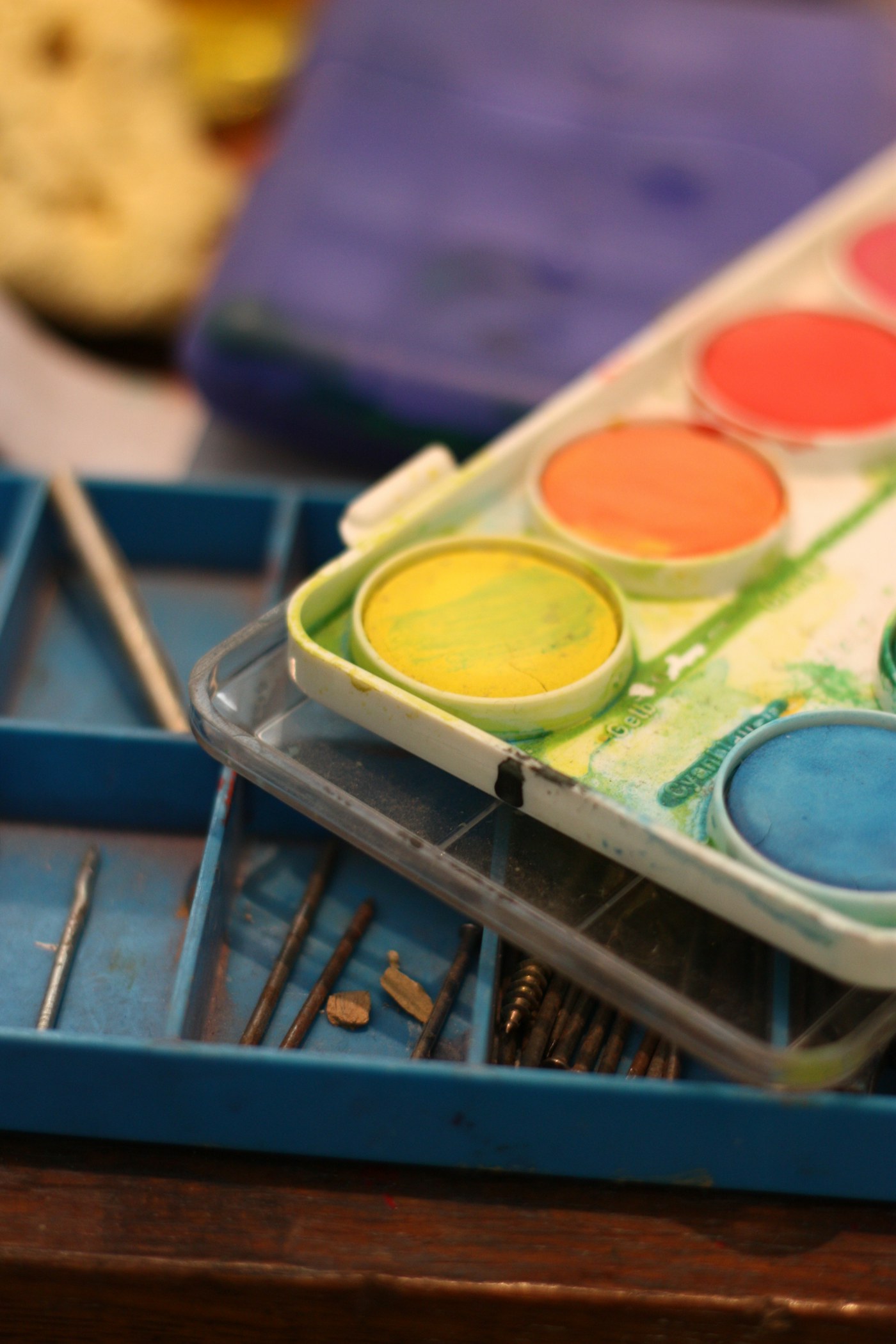
Use a modest selection of schoolwork and creative projects to help children describe choices, notice changes, and decide what they want to try next.
Read the story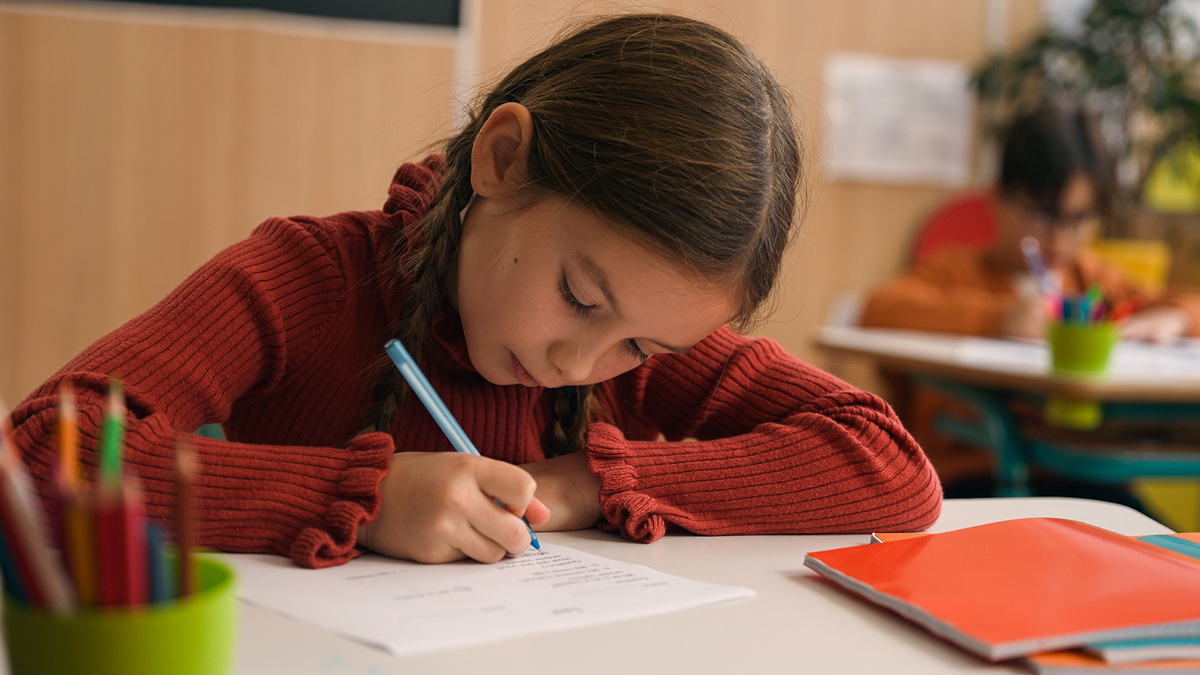
Parents and teachers work together through ongoing communication, shared goal setting, participation in learning, emotional support, and regular evaluation and reflection to promote children's academic progress and holistic development.
Read the story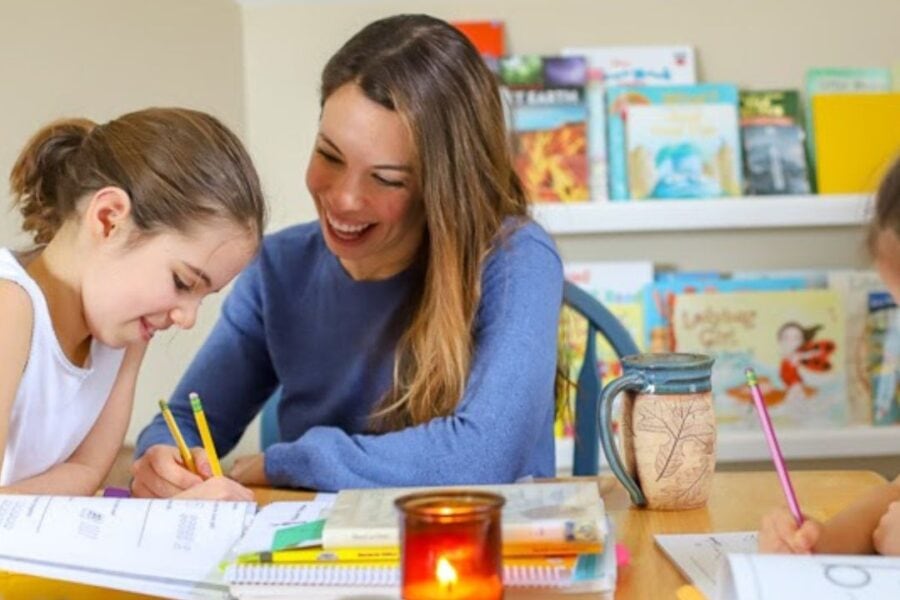
Some people say that a child’s growth is a one-way journey. School is the main place where children learn and grow, while the family is the soil that supports them.
Read the story