
A Drawing Table With Room for Experimenting
Set up everyday drawing so children can explore materials, make choices, and talk about their work without pressure to produce a perfect picture.
Read the story Learning journal
Understanding cognitive, emotional, and social development stages from infancy through adolescence.
18 stories · Page 1 of 2Set up everyday drawing so children can explore materials, make choices, and talk about their work without pressure to produce a perfect picture.
Read the story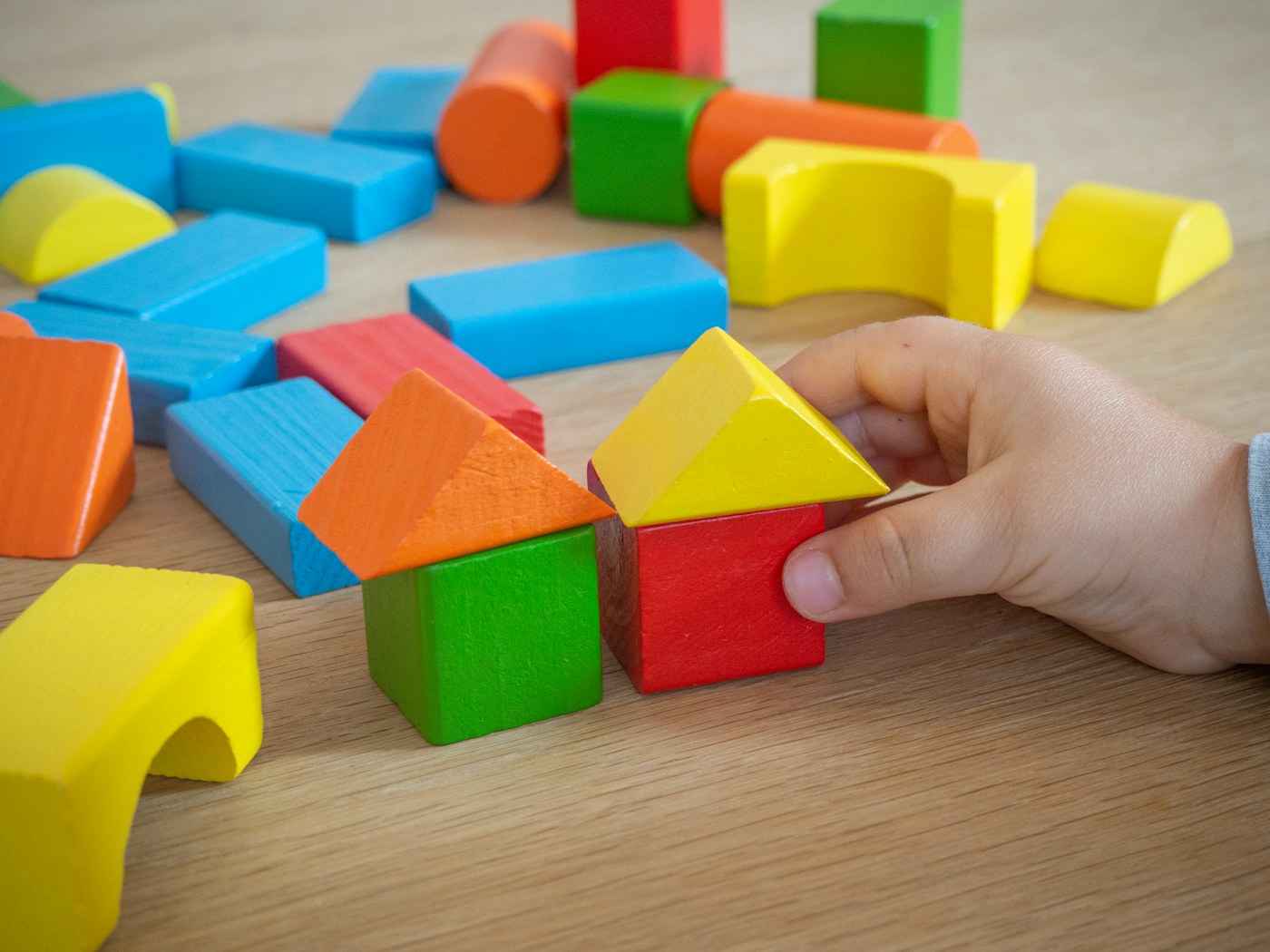
Support cooperative play by making entry points clear, protecting shared materials, and helping children negotiate without directing every moment.
Read the story
Offer useful help with puzzles and everyday problems while leaving children enough ownership to try, pause, and choose their next step.
Read the story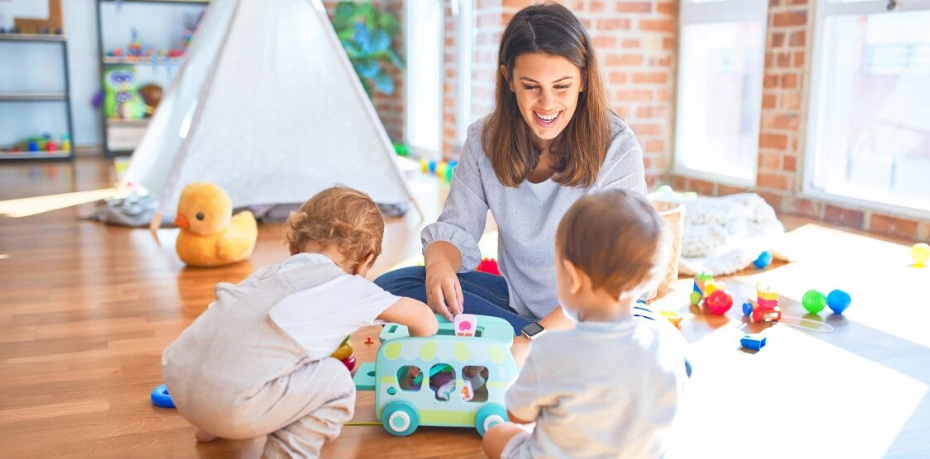
Understanding children's personality differences and raising them in ways that suit their nature allows every kind of growth to thrive.
Read the story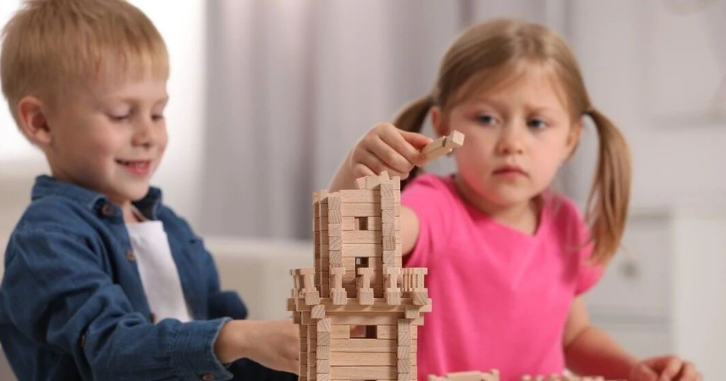
Children's executive function, composed of working memory, inhibitory control, and cognitive flexibility, can be strengthened through home-based training and environmental support to improve the self-management skills needed for learning, social interaction, and independent living.
Read the story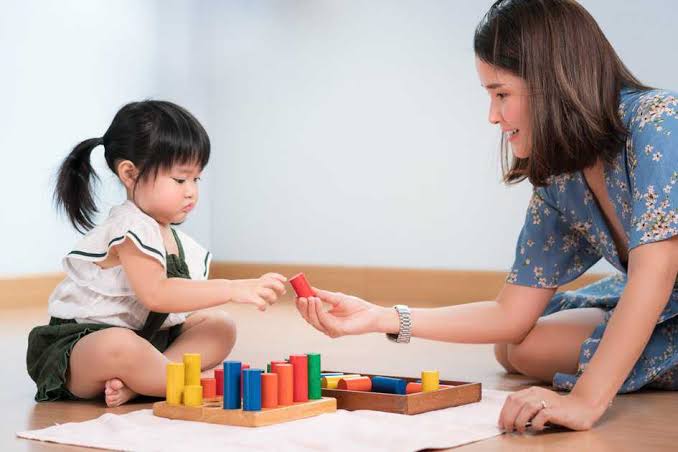
Erik Erikson’s theory of psychosocial development offers a useful way to understand how children’s emotional and social needs change as they grow. This guide explores the first four stages, from infancy through the school years, and what they can mean for everyday parenting.
Read the story
Understanding a child’s emotional development can help parents respond with greater patience and confidence. This guide explores children’s changing emotional needs from infancy through adolescence, along with practical approaches to communication, boundaries, independence, and everyday parenting.
Read the story
Strong social skills begin with more than practice. When children develop security, autonomy, confidence, and emotional regulation, they have a stronger foundation for handling friendships, conflicts, boundaries, and the everyday challenges of interacting with others.
Read the story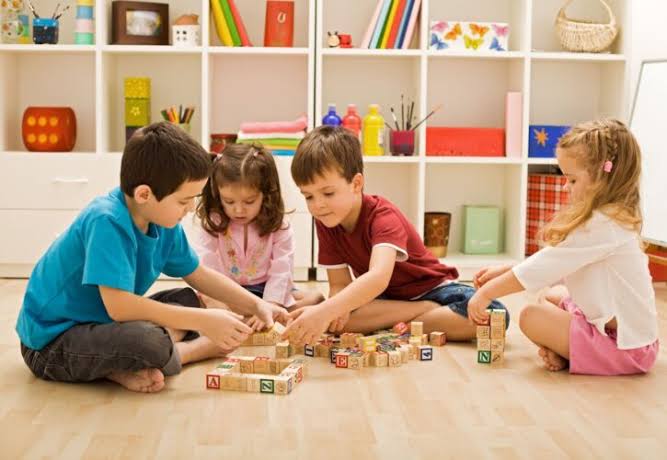
Children need more than knowledge and academic skills to navigate the world with confidence. Empathy, respect for rules, resilience, and healthy boundaries can help them build stronger relationships, handle setbacks, and gradually become more independent.
Read the story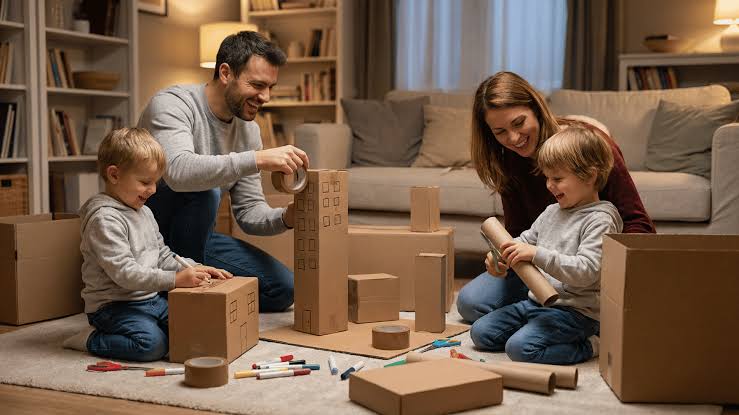
Play gives children opportunities to solve problems, communicate, imagine, cooperate, and explore new ideas. Learn how puzzles, pretend play, group games, open-ended activities, and thoughtful adult interaction can support learning and development without turning playtime into another lesson.
Read the story