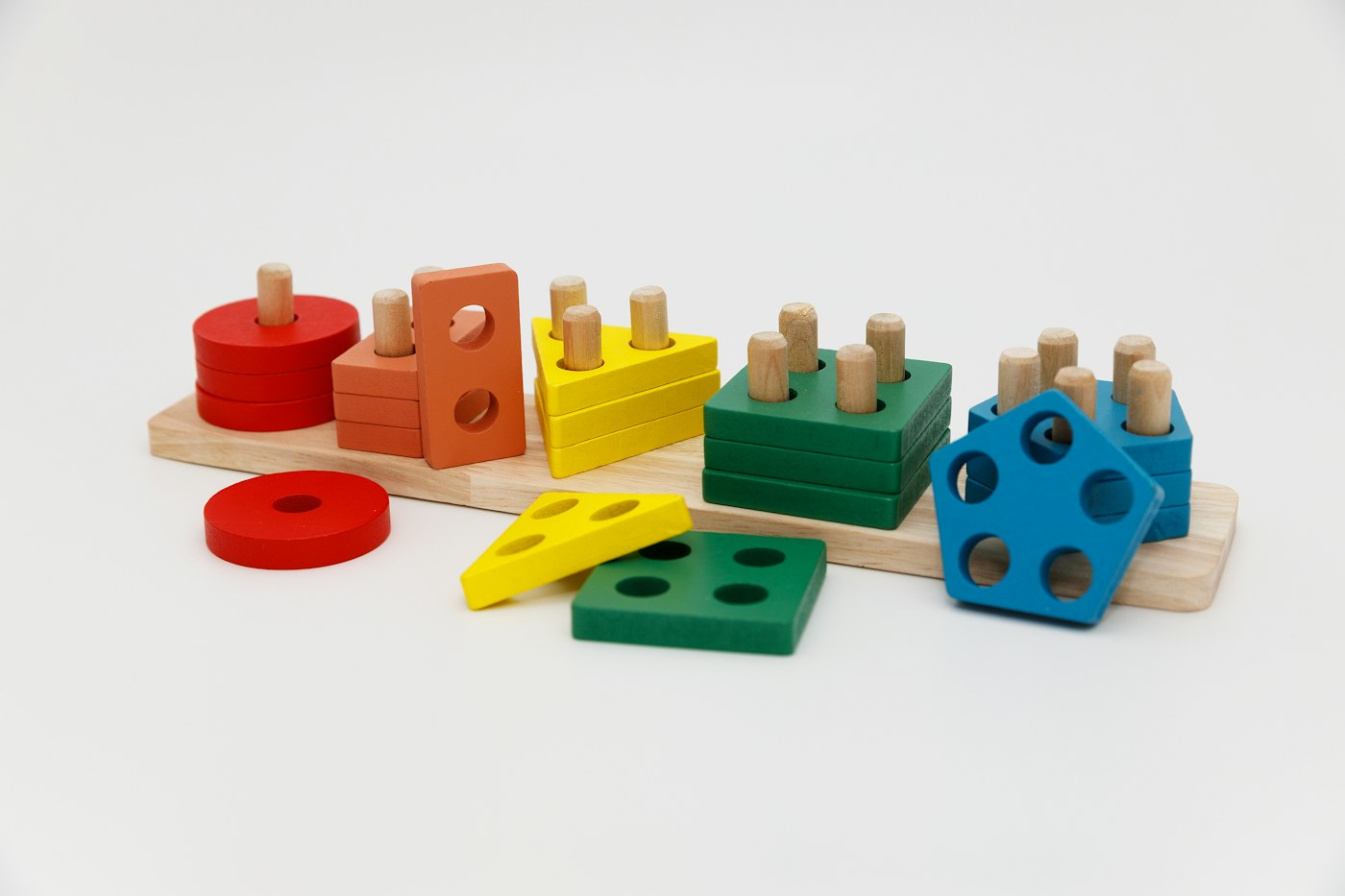
The smallest block in the box can be a bus, a sandwich, or a visitor who has lost a hat. That flexibility is what makes building materials useful for storytelling. The adult does not need to invent an impressive plot. A shared story can begin with a child moving a block across the floor and an interested adult noticing where it goes. This activity suits families who want a quiet, inexpensive way to play with language and imagination. It is not a reading assessment or a promise of faster development. Follow your child's interest, keep the materials suitable for their age, and allow the story to end before the blocks are put away.
Set out less than you think you need
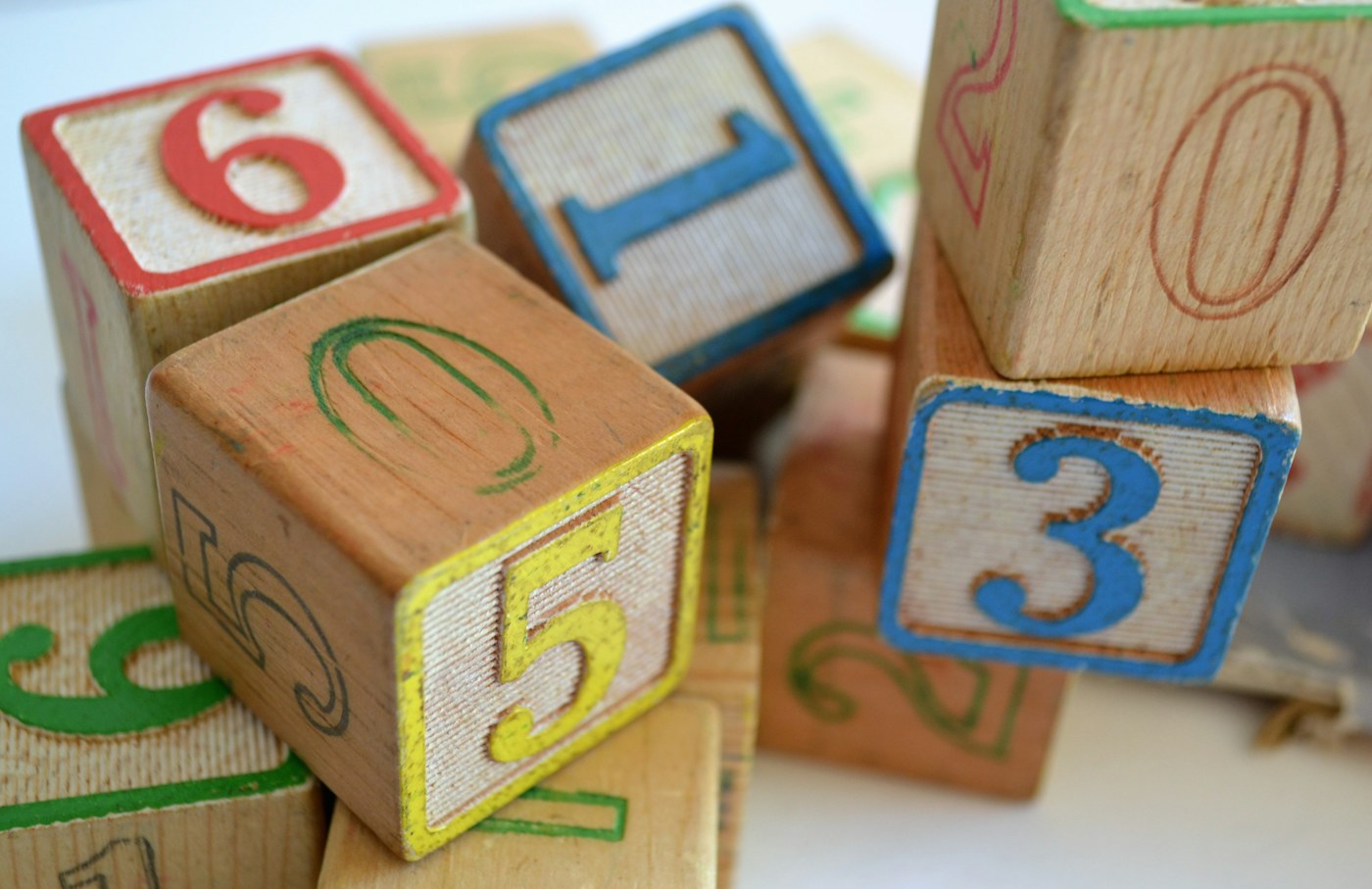
A small selection makes it easier to begin. Try a few large blocks, a soft toy, and a piece of fabric on a clear floor space. Use stable pieces that do not splinter, and avoid small parts for children who still mouth objects. Keep the play area away from stairs, doors that may open unexpectedly, and household walkways. You do not need letters on the blocks, although letters can become part of the story if the child notices them. A simple arrangement gives each object room to change roles. Too many carefully chosen props can make an adult feel that every item ought to be used, which is unnecessary pressure for a story that may last only a few minutes.
Let an action supply the opening
Watch for something the child already does: stacking, sliding, hiding, or lining up. If a block rolls beneath a cloth, you could say, “Someone has gone into a tunnel.” Then wait. Your child may agree, rename the cloth as a blanket, or ignore the suggestion and build something else. All three responses are useful. You are offering a possible meaning rather than setting a plot. Another opening is a small problem that can be solved through play: a toy needs somewhere to rest, or a block vehicle cannot cross a gap. Keep the problem gentle. Frightening danger and a dramatic rescue are not required to make a story interesting.
Give the child a meaningful turn
Shared storytelling works best when both people can influence what happens. After adding one sentence or action, pause long enough for a response. The response may be a sound, a movement, a facial expression, or a spoken line. Treat these as contributions instead of waiting only for polished language. If the child pushes a block house farther away, perhaps the character has moved. You can ask, “Shall I follow, or stay here?” Offering a choice about your own role often feels less demanding than asking the child to explain the entire plot. Avoid rapid questions about who, where, why, and what happened next. A story needs breathing room.
Model a little language, not a whole performance
An adult can add useful words by describing an action clearly: “The long block is a bridge. The little car is going underneath.” If a child says, “Dog there,” you might respond, “The dog is waiting beside the bridge.” You have expanded the idea without asking for repetition. Use a voice you can comfortably sustain. Puppetry, accents, and theatrical dialogue are optional. If your family uses more than one language, let the story move between them naturally. A child's invented word or familiar family expression can belong in the story too. The aim is a shared experience that makes communication worthwhile, not a demonstration of the adult's vocabulary.
Use a change of place to refresh the story
When the action slows, move one object rather than introducing many new characters. A bridge can lead to a market. A blue cloth can become a pond beside the house. Ask whether the child wants the story to travel. If not, stay with the familiar place; repetition can be enjoyable. Some children prefer rebuilding the same scene several times, each with a tiny change. Others make rapid shifts that do not follow adult expectations about continuity. You do not have to repair the plot. Say what you notice and participate in the version being created. If you feel lost, ask for the next action you should take rather than insisting on an explanation of everything that came before.
Make a problem small enough to work on
A useful story problem leaves the child room to act. “The visitors need seats” invites building, while “The whole town is in terrible danger” can overwhelm the play. Choose ordinary needs: carrying something, finding a place, making a path, or welcoming a newcomer. The child may solve the problem instantly with magic. Accept that solution, then continue the story if there is interest. You can also wonder about an alternative without rejecting the first idea: “A flying bridge works. What could we build for someone who wants to walk?” Do not turn every playful problem into a moral lesson. The pleasure of arranging an imaginary world is enough reason to continue.
Include quiet children without putting them on stage
Some children like to direct an adult but dislike speaking as a character. Invite them to arrange the scene while you provide brief narration, checking that you have understood. Others want you nearby without constant commentary. Parallel play can work: build a small house beside theirs and occasionally connect the two worlds. If a child uses communication aids, include familiar choices and allow time to respond. A picture, gesture, or selected word can determine where the story goes. Avoid asking for a performance for visiting relatives or a camera. Participation is easier when the child knows the play belongs to the people doing it and can stop without disappointing an audience.
Save a trace rather than demanding a retelling
When the building feels finished, ask whether the child would like to give it a name. Write the name on a piece of paper if requested. You might draw a simple map together or record one sentence the child dictates. Read the sentence back accurately; there is no need to correct it into more adult language unless the child asks. A photograph can also work, especially if the structure must be cleared from the floor. Do not require the child to retell every event from the beginning. That changes the task after the fact. A small record is a way to remember the play, not evidence that a particular learning objective has been completed.
One scene to try without a script
Place a soft toy beside a small block doorway and say that the visitor has arrived early. Wait to see what the child does. They might build a chair, send the visitor away, or announce that the doorway is actually a tunnel. Follow the response with one action of your own. If a second character appears, ask the child where you should put it rather than deciding its role immediately. The whole scene can remain at the doorway. A story does not need several locations to become interesting, and a short exchange can be complete even if nothing dramatic happens. Let the child decide whether the visitor returns another day.
Close the story in a predictable way
Offer a simple ending when it is time to stop: the visitors go home, the shop closes, or the characters rest until next time. Give notice before dismantling a valued structure, and offer a practical choice about what can remain. A tray may hold a small scene until tomorrow, while a large bridge across a doorway needs to come down. If the child protests, acknowledge the disappointment and keep the limit clear. Later, you can begin with a familiar character or an entirely different collection. The most useful carryover is the child's sense that their ideas changed what happened and that an adult was willing to enter the world they made.
Have a correction or a question? Write to the Amenkingdj team.