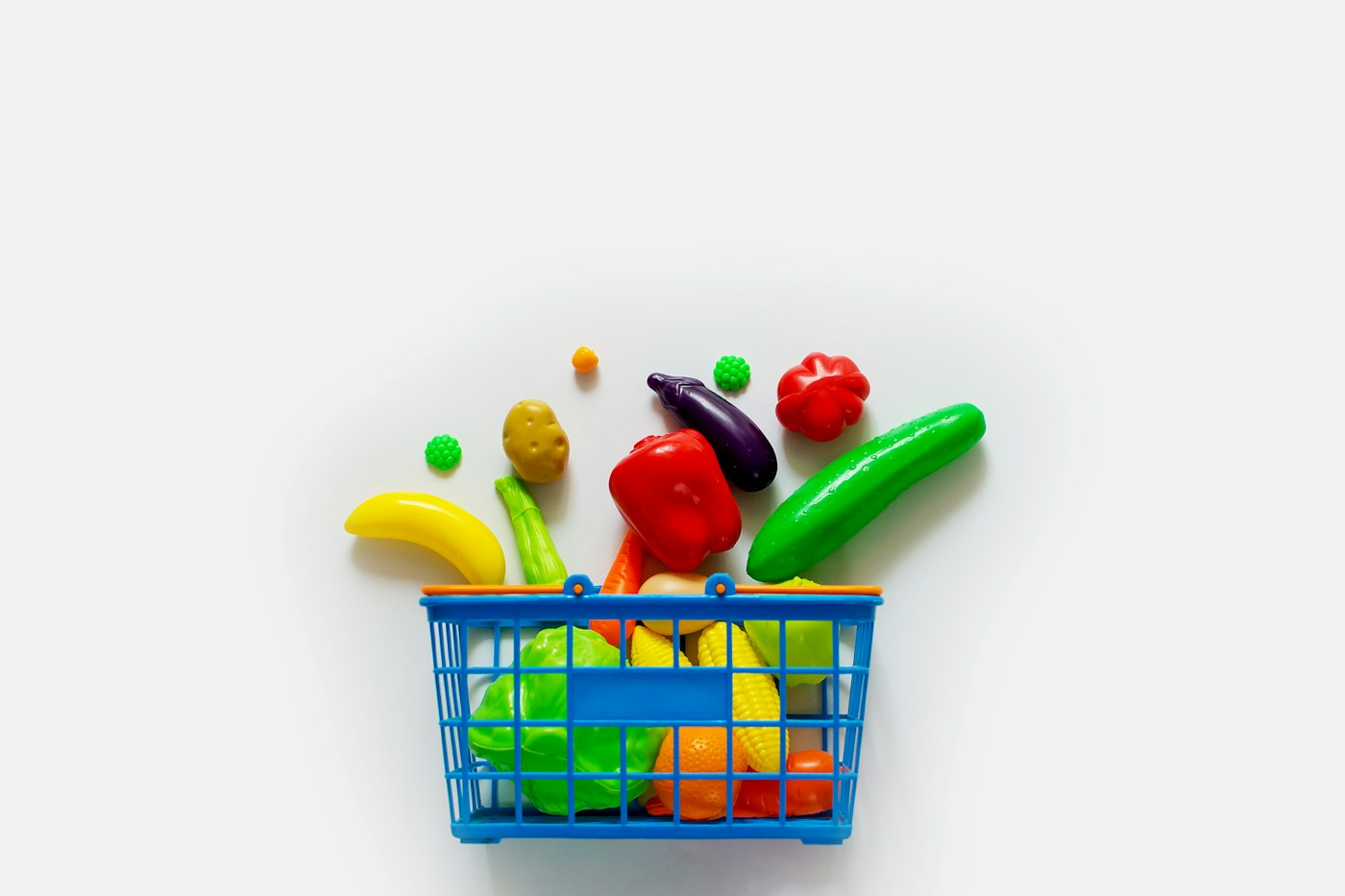
A basket of blocks can become a surprisingly rich invitation to think. One child puts all the blue pieces together. Another makes a row of towers and calls that sorting. A third spends the whole time filling the basket again. There is useful information in each response: what the child notices, which actions are enjoyable, and how much structure feels comfortable today. You do not need a special lesson kit to explore those differences. This guide is for adults setting up relaxed play with preschoolers, using a few familiar objects and plenty of room for the child to change the plan.
Begin with objects that are easy to handle
Choose six to ten large, intact objects that your child can comfortably grasp. Large blocks, chunky toy animals, or clean containers can work. Keep choking hazards, magnets, batteries, broken pieces, and objects with sharp edges out of the activity. Follow the age guidance supplied with toys and supervise throughout. A towel on the table can make rolling objects less frustrating. Two shallow trays provide places to put things without implying a correct answer. Start with one collection rather than a mixture from every cupboard. If the objects differ in color, shape, texture, and purpose all at once, the possibilities may be interesting, but the first choice can feel harder than necessary.
Watch before naming the rule
Place the collection where the child can reach it and allow a little time. You might say, “I wonder which things could go together.” Resist the urge to immediately announce that the red pieces belong in one tray. The child may be attending to a feature you had not considered: blocks that stand up, animals with tails, or containers that make a certain sound. Ask a genuine question about the grouping if it is unclear. “Tell me about these two” leaves more room than “Are these the big ones?” Children do not have to explain every decision verbally. A gesture, another example, or a demonstration may communicate the rule perfectly well.
Offer a visible example when needed
An open invitation does not suit every moment. If your child looks uncertain, make a small example without completing the whole task. Put two round pieces on a tray and pause. You could add, “These can roll. Can you find another one that rolls?” A physical property is often easier to investigate than an abstract label. Let the child test a piece rather than correcting it from across the table. If a piece rolls only when pushed, that is an opening for discussion, not a failed answer. Keep the original invitation available while accepting a different direction. The purpose is to give the child something understandable to try, not to preserve your demonstration exactly.
Change one part of the challenge
When a game becomes easy, change one feature at a time. Begin with two clearly different groups, such as large blocks and small blocks. Later, introduce a medium block and ask where it could go. Or keep the same objects but move from sorting by color to sorting by shape. Do not change the objects, the rule, and the number of groups simultaneously unless your child wants that complexity. A useful challenge creates a reason to look again. It does not require getting every piece right quickly. If the new version produces irritation, return to a familiar version or stop. Difficulty is adjustable; there is no need to turn a playful activity into a test of persistence.
Make room for objects that belong twice
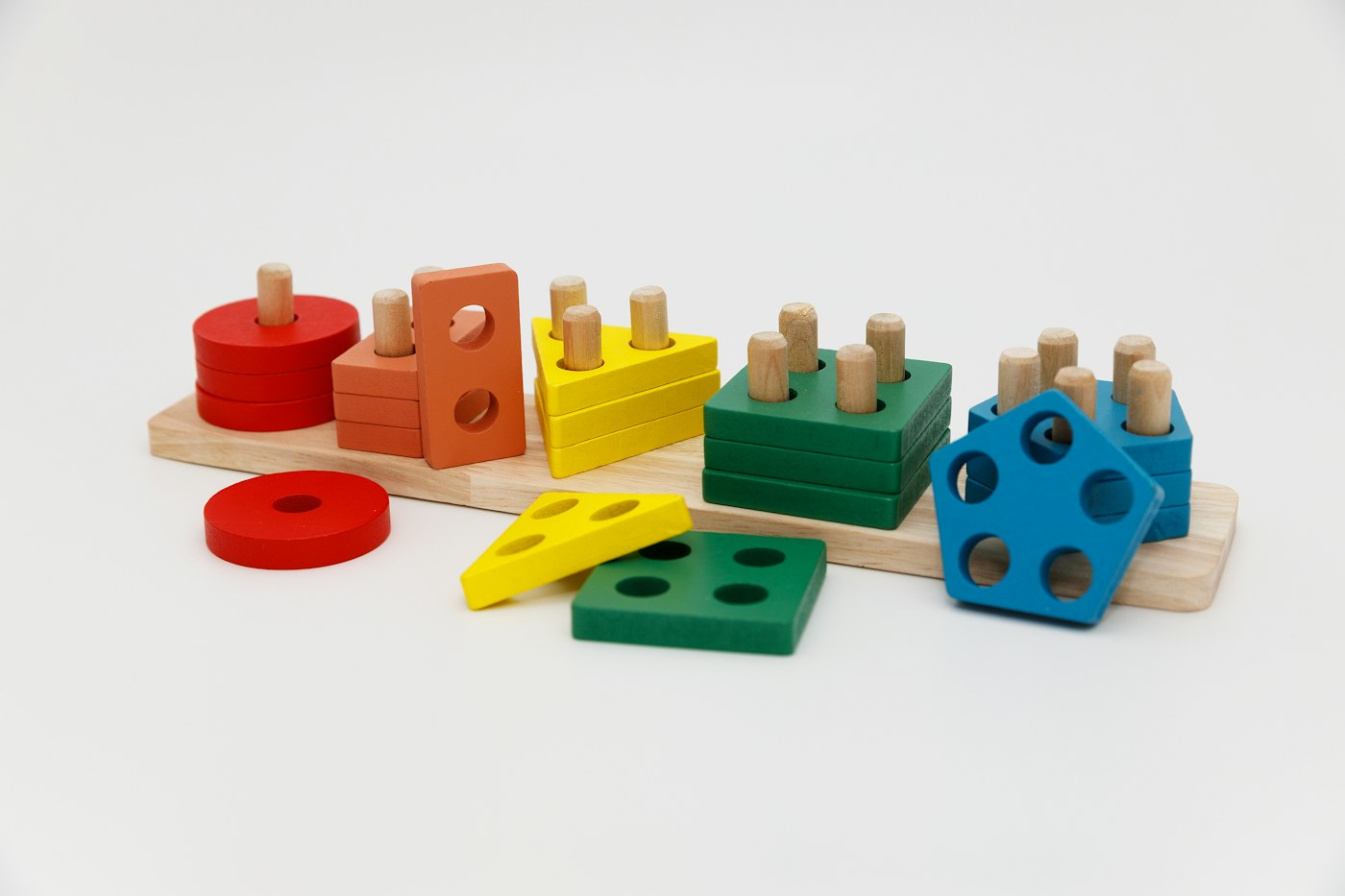
Some objects fit more than one description. A yellow triangle belongs with yellow pieces and with triangles. Put two cloth circles or sheets of paper so that they overlap and explore what might sit in the shared space. There is no need to introduce formal vocabulary. “This one is yellow and pointy, so you found two things about it” is enough. A child may prefer to move the same object between the groups rather than use the overlap. Accept that approach. For a simpler version, ask whether a piece could have two homes. For a harder version, let the child choose both rules and find an object that fits neither one.
Use everyday moments without making everything a lesson
Sorting can happen while putting away clean socks, arranging toy vehicles, or returning crayons to a box. Invite participation where the action is safe and the result is not urgent. At laundry time, you might place two matching socks beside each other and let the child search for another pair. A child who sorts socks by length instead is still comparing properties. Keep adult chores separate when the child is tired or the household needs to move quickly. Constant questions can make ordinary life feel like an examination. A brief comment such as “You put all the long ones together” can acknowledge a choice without demanding an explanation or a performance.
Adjust the activity to the child
Large objects, a contrasting background, and trays placed close together can make the task easier to see and reach. Use real objects rather than tiny pictures if that suits your child. Provide the names of properties in the language your family uses most comfortably; sorting does not depend on performing in a particular language. A child who prefers movement might carry each object between floor mats. One who dislikes noisy objects may enjoy fabric pieces or soft toys instead. If reaching, seeing, hearing, or handling materials presents a barrier, change the setup rather than judging the response. Adults can also work alongside a child, making their own small group without directing every action.
Respond to mistakes with information
Suppose a square lands in the circle tray. First check the child's rule. Perhaps the real distinction is “pieces for the garage” and “pieces for the house.” If the child is using your shape rule, place the square next to a circle and invite comparison. “This has corners, and this edge curves around” supplies useful language. Avoid making the child repeat a placement until it satisfies you. That can shift attention from noticing properties to guessing what the adult wants. You can also deliberately choose an uncertain object yourself and think aloud about it. Keep the uncertainty honest and brief, leaving space for the child's observation rather than staging an elaborate trick.
A two-tray version for a busy afternoon
Put three large toy vehicles and three large toy animals beside two trays. Invite the child to make homes for the objects. If they sort by type, ask where a toy horse pulling a cart might belong. If they sort by color, find another object in one of the chosen colors. The point is to respond to the child's rule rather than quietly replace it with yours. When there is only time for a brief game, keep the six objects and skip the extra question. This version can be packed away quickly, making it easier to offer again without creating a large preparation task for the adult.
End with a small record, if the child wants one
An optional photograph of the arrangement can preserve a particularly interesting idea. Ask before changing or putting away the work. If you take a picture, keep it for family use unless you have an appropriate reason and permission to share it. A quick note such as “sorted by things that roll” may help you offer a related activity later. Do not score the number of correct placements or compare it with another child. Look instead for what made the play work: a manageable collection, enough time, an inviting question, or freedom to move. Next time, begin with one of those useful conditions and see what new rule your child invents.
Have a correction or a question? Write to the Amenkingdj team.