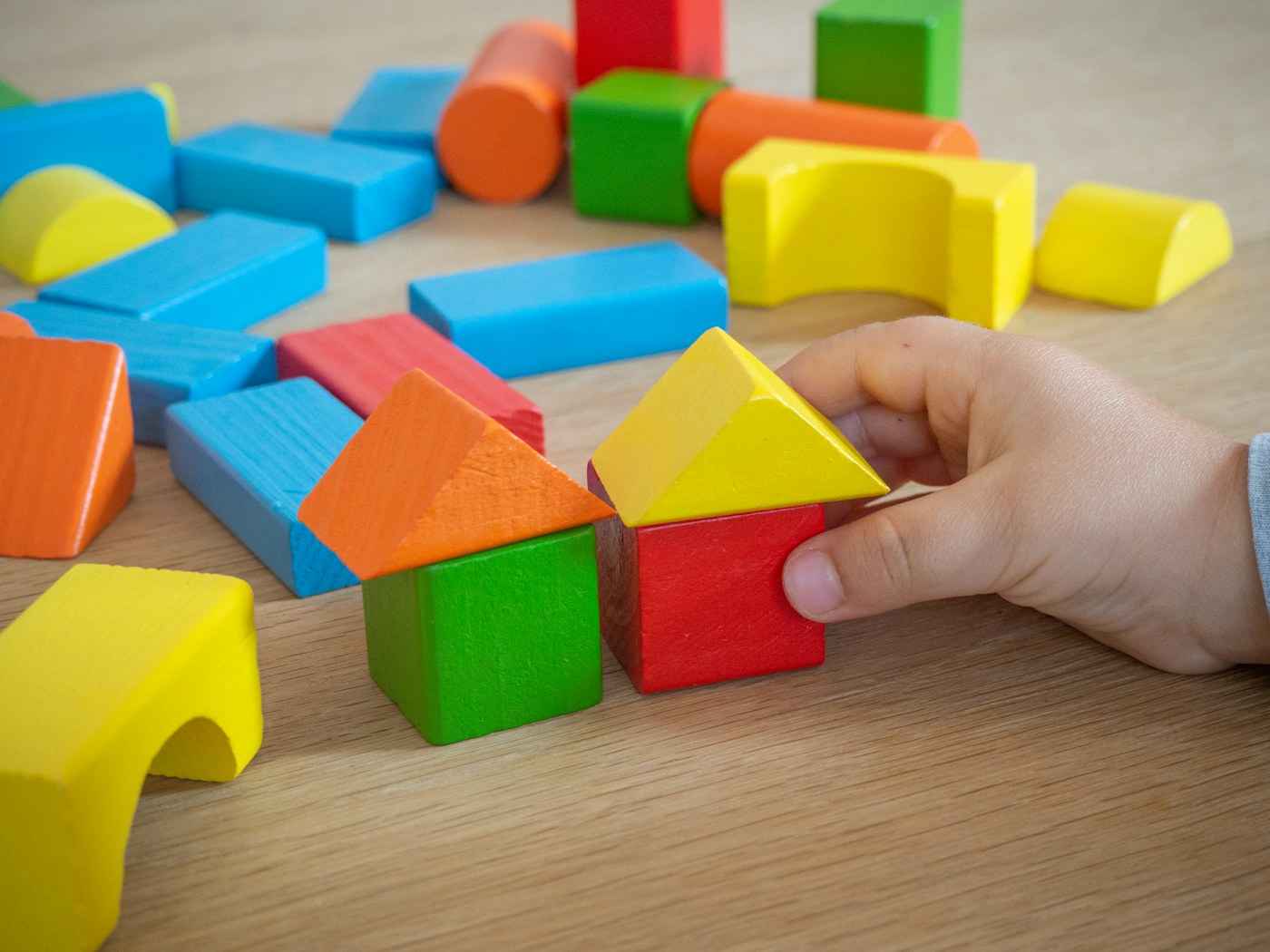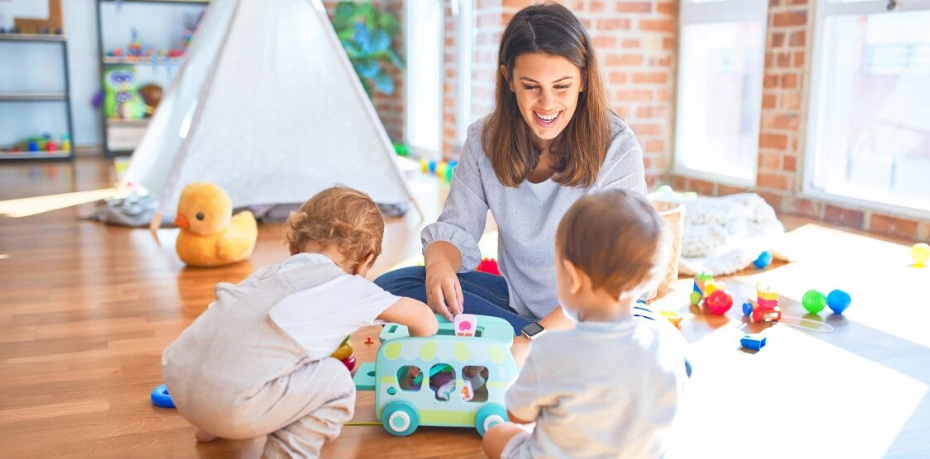
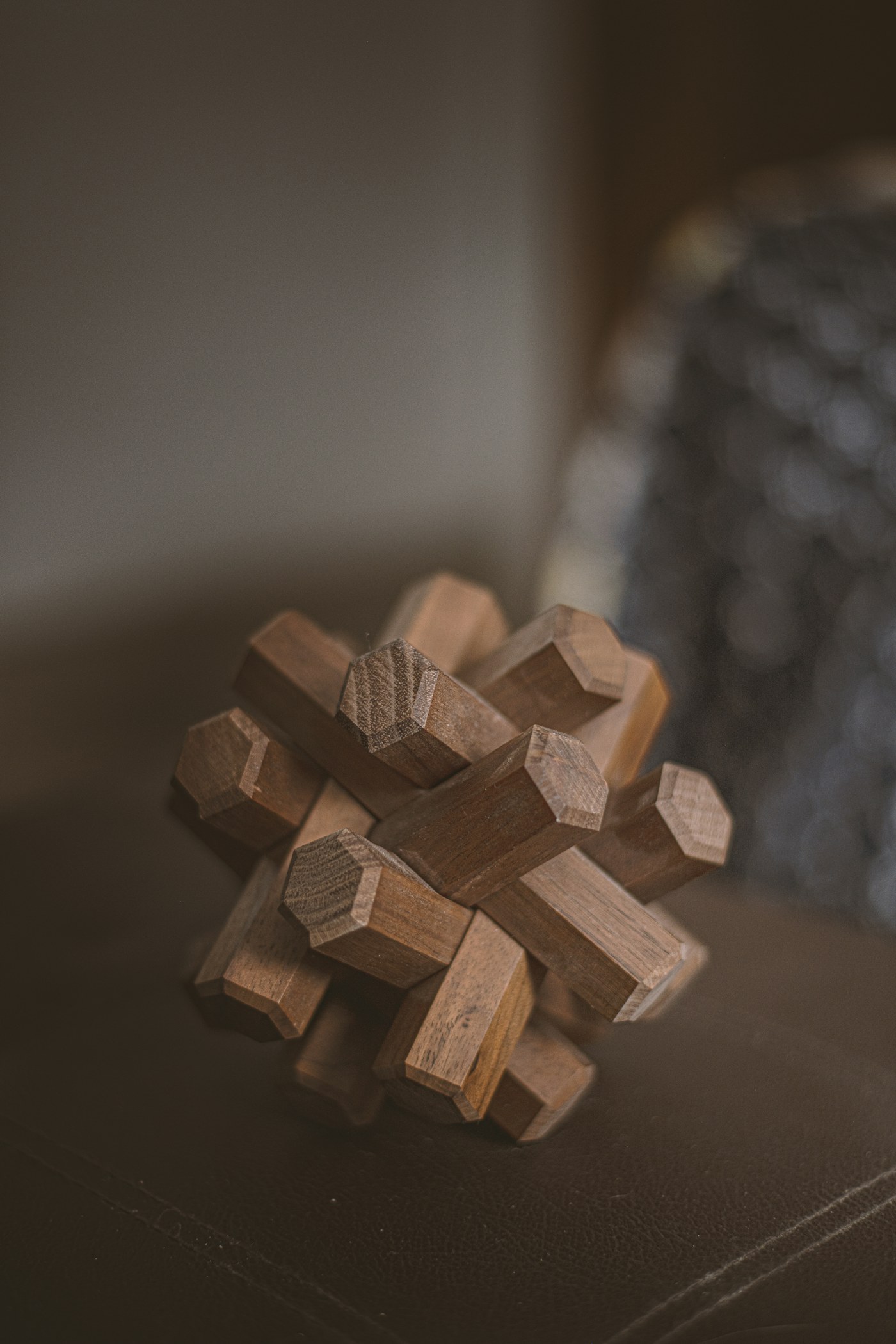
The piece is almost in place. An adult can see that it needs a quarter turn, and the impulse to reach across is strong. The child, however, is still deciding what to try. A well-timed hint can help; an immediate solution can remove the very problem that made the activity interesting. Knowing the difference is less about a perfect phrase and more about watching the child's response. This guide uses puzzles as a practical example, but the same approach can apply to building a model, arranging a game, or solving an everyday task. It is not a test of intelligence or a rule that children must struggle without assistance.
Check whether the puzzle itself fits
Before focusing on persistence, check the materials. Missing pieces, unclear images, awkwardly fitting parts, or a slippery surface can make the task unnecessarily frustrating. Choose an age-appropriate puzzle without damaged or unsafe pieces, and supervise according to the child's needs. The number of pieces is only one feature of difficulty. A puzzle with distinct colors and recognizable sections may be easier than a smaller one with nearly identical areas. Let the child see the reference picture if there is one. A tray or mat can make it easier to keep the work together. Adjusting the task is a sensible first step, not an admission that the child should have been able to manage it unchanged.
Ask what kind of help is wanted
“Would you like an idea, or a little more time?” gives the child a useful choice. Some children want the adult to sit nearby while they continue independently. Others want a direct demonstration. Listen to the answer and avoid offering a hint immediately after the child chooses more time. If the child cannot explain what they need, offer a small action: hold the base steady, turn the reference picture, or separate the loose pieces. Do not make help dependent on using a polite script perfectly when the child is already overwhelmed. You can model a respectful request while still responding to the underlying need. The aim is to make asking for assistance an available tool rather than a sign of failure.
Describe the obstacle accurately
A broad statement such as “This is too hard” can be narrowed into something workable. Ask what is not fitting or what the child is trying to find. Perhaps the problem is identifying the next section rather than placing a piece. You might say, “You are looking for a piece with part of the yellow window.” A concrete description supplies a search target. Avoid announcing a strategy before understanding the obstacle. An adult may suggest building the edge when the child is absorbed in completing an animal in the center. That can be a reasonable route too. Start from the child's plan and help clarify it, unless the plan involves damaging the materials or creating a safety problem.
Give the smallest useful hint
Hints can range from broad to very direct. Begin with a question about a visible feature, such as color, straight edges, or the direction of a pattern. If that does not help and the child wants more support, narrow the choice to a few pieces. You can turn one piece on your own part of the table to demonstrate rotation without placing the child's piece for them. Watch whether the hint actually changes what the child can do. Repeating “look carefully” rarely supplies new information. Nor is a hint useful if it becomes a riddle the child must solve to access the adult's knowledge. Be clear and direct when direct help is requested, then return control of the task.
Make your thinking visible when invited
If the child wants a demonstration, show one decision at a time. “I can see a straight side, so I am looking along the outside.” Move slowly enough for the action and explanation to connect. Avoid completing several steps while talking about the first one. You can also show genuine uncertainty: two pieces may look plausible, and you can compare them. Do not deliberately make a series of obvious mistakes to manufacture a lesson. That can feel patronizing, especially to an older child. Once the demonstration has served its purpose, stop and ask whether the child wants the next turn. The point is to share a method they can use, not to display how efficiently an adult can finish.
Notice effort in terms of actions
“You tried turning it, then checked the picture” gives more information than a general label about being clever. Describe a useful action honestly without turning every attempt into praise. A child may be concentrating and prefer silence. If they ask whether they are doing well, you can acknowledge both the challenge and the progress: the window section is together, and the roof still needs work. Avoid promising that enough effort always guarantees success. Sometimes a task needs a different method, better materials, more information, or a pause. Persistence is useful when it remains connected to feedback. Repeating the same unsuccessful action indefinitely is not the only respectable response to a problem.
Treat a pause as part of the process
Signs of fatigue can include rushing, repeated force, or losing interest in a previously clear goal. Offer a break without framing it as giving up. Leave the puzzle on a safe surface if possible, or help move it to a tray. Agree on what can remain and what needs to be cleared. A child may return later with a new idea, or decide that this puzzle is not enjoyable today. Both outcomes are acceptable. Do not require completion simply because time has already been invested. If stopping itself causes distress, make the next step concrete: take a photograph, place the loose pieces in a container, and mark the unfinished section for another attempt.
Avoid comparisons and hidden tests
Puzzles vary widely, and children bring different interests, experiences, and access needs to them. Comparing a child's speed with a sibling's rarely helps solve the current problem. Avoid filming a difficult moment or turning it into a performance for visitors. If you want to understand which materials suit your child, observe privately and make practical adjustments. A child who sees a pattern quickly in one setting may find a visually crowded picture difficult in another. That is not a contradiction to explain away. If there are ongoing concerns about participation in everyday activities, discuss them with an appropriate professional who can consider the wider context. A single puzzle does not provide a reliable developmental judgment.
A hint ladder for one difficult piece
Start by asking what the child notices about the piece. If they want help, point out one feature, such as a straight side. If that is not enough, show the area where a matching feature might belong. Next, narrow the possible spaces or demonstrate turning a different piece. Stop moving down the ladder as soon as the child can continue or asks for time. If they want you to place the piece, decide together whether you are taking a turn or showing a method. Being explicit prevents a helpful adult from quietly completing half the puzzle while the child waits to regain control of the activity.
Close by naming what can be used again
After the activity, mention one strategy that might transfer: checking a reference, reducing the number of choices, asking for a demonstration, or taking a useful pause. Keep the reflection short and connected to what actually happened. The child may be more interested in the completed picture than in discussing the process, and that is fine. Next time, ask whether they want company or independent space before joining in. An adult who offers help predictably, explains clearly, and respects a request for time becomes a useful partner. The child can then approach the next puzzle knowing that trying alone and seeking assistance are both available ways forward.
Have a correction or a question? Write to the Amenkingdj team.