
How to Teach Children the Importance of Personal Hygiene
Most illnesses are closely related to personal hygiene habits.
Read the story Learning journal
Healthy routines, family well-being, safety tips, and everyday habits for growing children.
23 stories · Page 2 of 3Most illnesses are closely related to personal hygiene habits.
Read the story
Three key nutritional strategies – Omega-3, complex carbs with B vitamins, and iron-zinc-magnesium – plus a one-day brain-food meal plan can improve focus, but limit refined sugar, artificial additives and trans fats, make changes gradually with family involvement, and remember that nutrition does not replace adequate sleep, exercise, or engaged parent-child interaction.
Read the story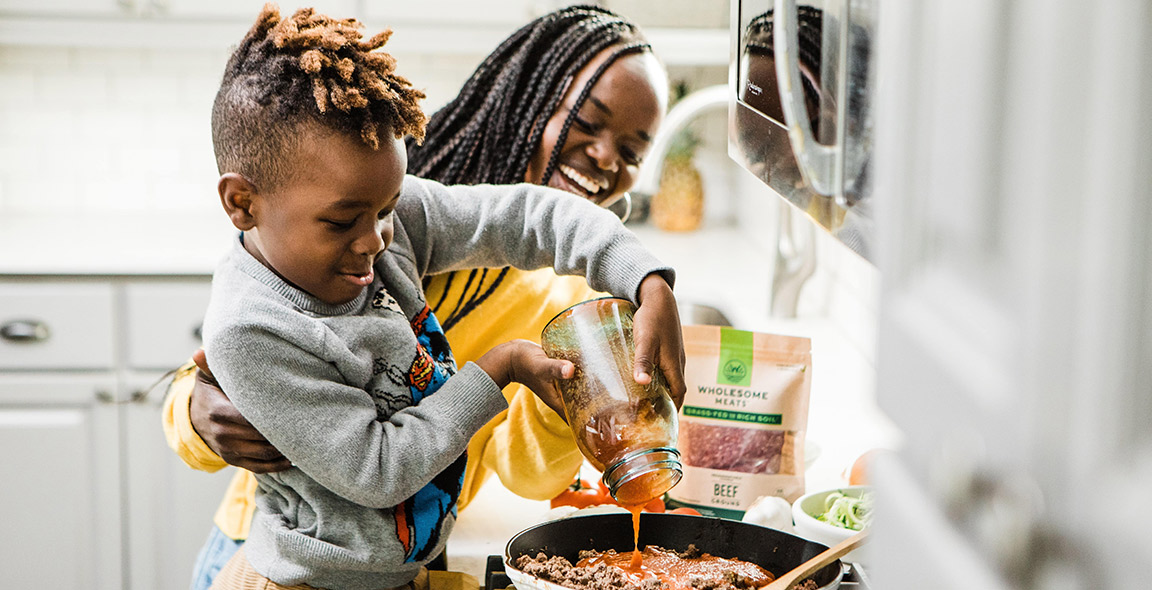
School-age children, generally defined here as children from 6 years old to under 18, are in a critical stage of growth and development. Their needs for energy and nutrients are significantly greater
Read the story
Screens are part of modern family life, but healthy digital habits begin with balance. Learn how screen use can interact with young children's sleep, language, play, and family relationships, along with practical ways to set age-appropriate boundaries and create meaningful screen-free alternatives.
Read the story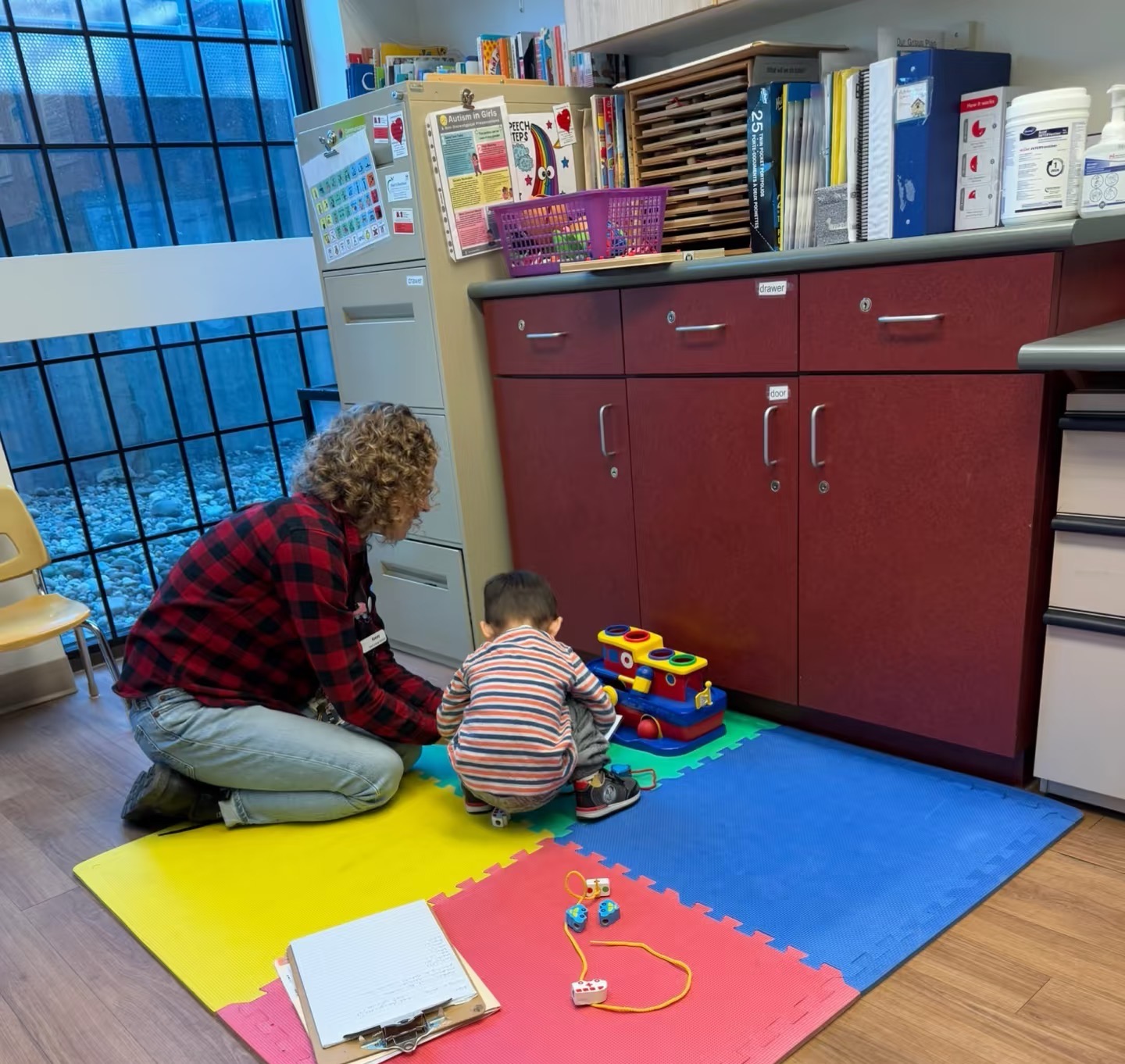
A child's late talking doesn't necessarily signal a language delay—what really matters is their comprehension, willingness to communicate, and whether they meet key milestones; parents can encourage progress through everyday conversation, shared reading, and social opportunities, but if red flags or regression show up, it's far better to seek professional advice early than to simply wait and see.
Read the story
In the digital age, parents need to lead by example, co-create family digital rules with their kids, and steadily nurture their children's sense of data ownership—so they can safeguard their privacy and help them grow into independent individuals who manage their own digital identity with confidence.
Read the story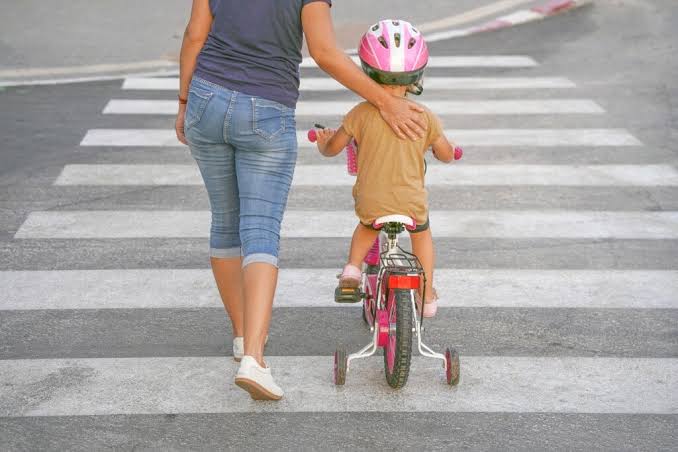
Keeping children safe is one of every family’s biggest concerns. Many accidents do not happen because children have never learned about safety. Instead, they happen because someone takes a chance, ign
Read the story
Excessive anxiety in children often shows up as excessive worry, physical complaints, difficulty concentrating, social withdrawal, and sleep problems, and parents can effectively support them through listening, reassurance, breaking down tasks, gradual social exposure, and establishing regular routines.
Read the story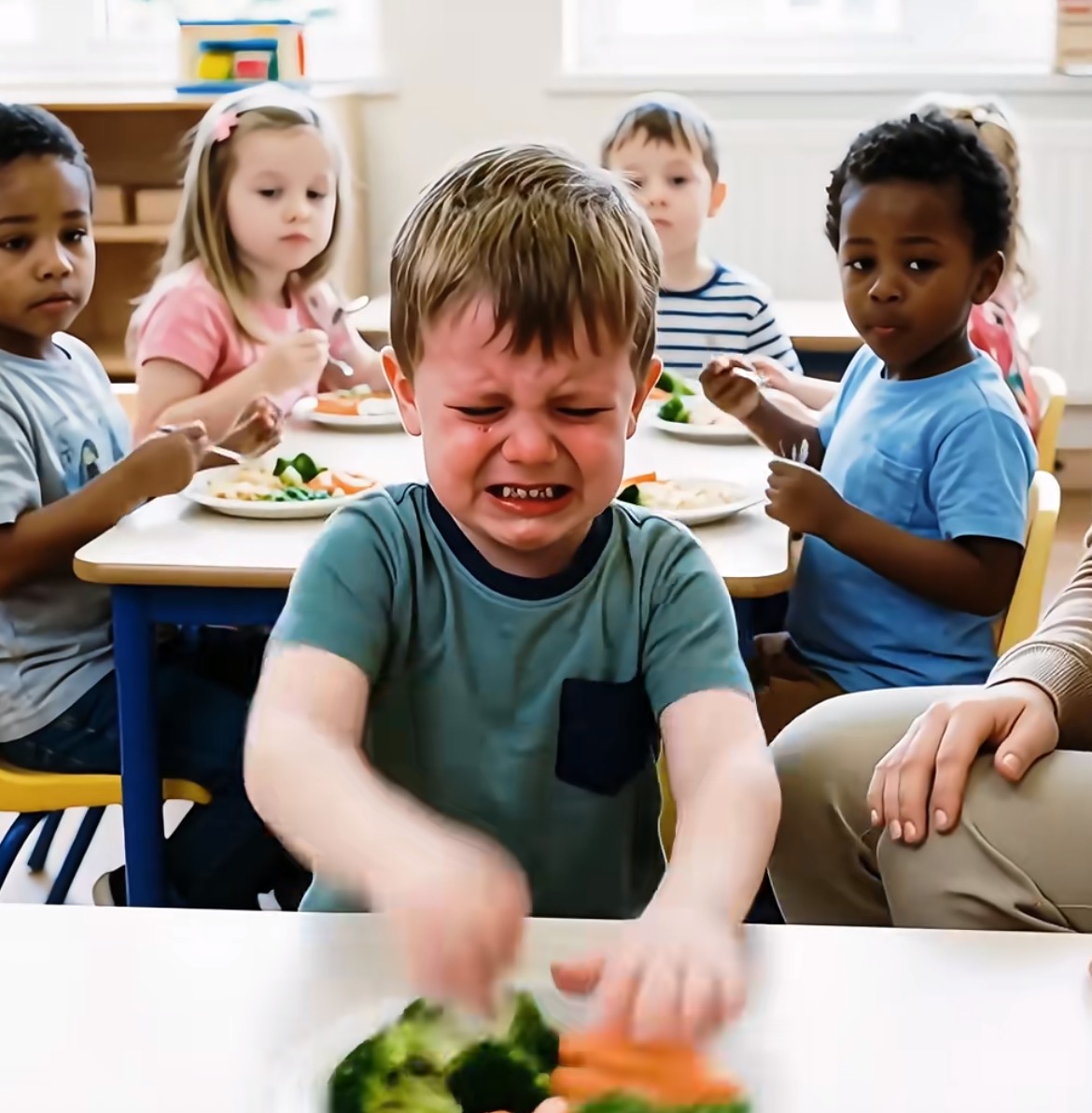
The key to building good eating habits for children aged 2 to 6 is to keep regular meal times, create a calm eating space, offer mild and varied foods, avoid force or bribes, let kids take part in meal prep, set a good example as parents, and get them used to drinking plain water from the start.
Read the story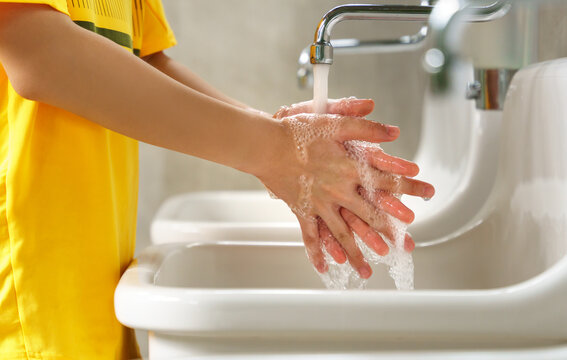
Healthy hygiene habits help children learn to care for their bodies, teeth, belongings, and shared spaces. Discover practical ways to teach handwashing, toothbrushing, personal care, cleanliness, and everyday self-care without turning hygiene into a constant struggle.
Read the story